Walls, ceilings and rooms that need a reset
From one room to a broader interior refresh, Good Fellas helps make the space feel clean, considered and ready to live in again.
St. Augustine, Florida
Thoughtful interior painting for walls, ceilings, trim and the repairs that help a room feel finished.
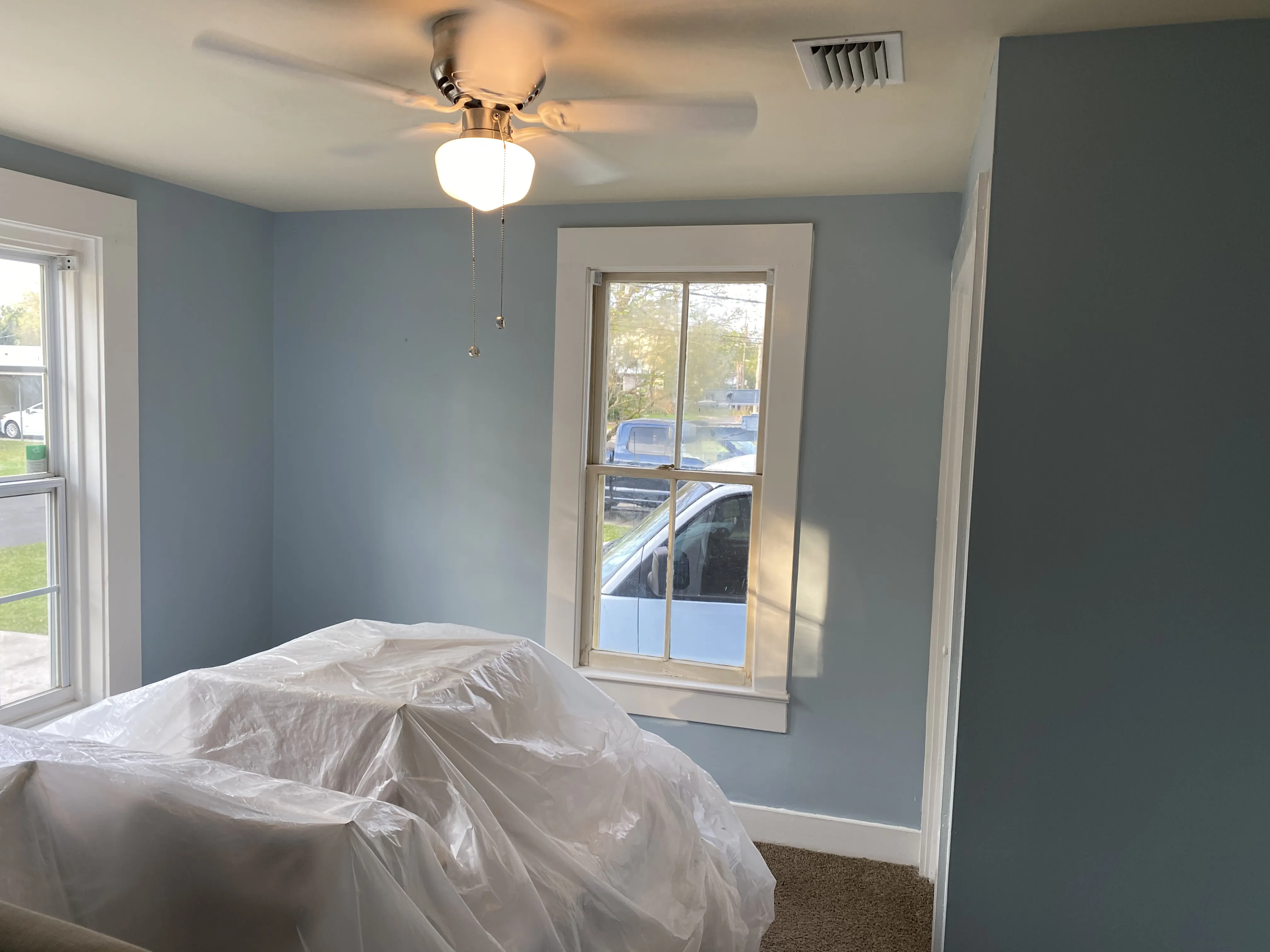
A room changes quickly
Interior paint can make a room feel brighter, calmer or more like home, but the finish depends on the details underneath it. Old nail holes, uneven patches, worn trim and walls that have picked up years of everyday life all show through when they are skipped.
Good Fellas begins with the condition of the room, then helps plan the work around what will make the finished space feel complete. That may mean a straightforward repaint, or it may include drywall repair, texture work, trim touch-ups and a more coordinated update across several rooms.
The work stays practical: understand the room, protect what matters, prepare the surfaces and leave the space with clean lines and a finish you can settle into.
Interior painting services
Whether you are refreshing one room, preparing a rental or bringing a whole interior back into shape, the scope can be built around the surfaces that need attention.
From one room to a broader interior refresh, Good Fellas helps make the space feel clean, considered and ready to live in again.
Baseboards, casings, doors and other details can change how polished a room feels when their finish is handled alongside the walls.
Holes, old cutouts, seam cracks and rough patches can be repaired and prepared before the new color goes on.
When a room needs more
Some rooms are ready for a simple repaint. Others need a little more attention before they can look their best. Cracked drywall seams, damage around a former wall mount, rough patches from old repairs, peeling caulk at trim and stained areas after a moisture issue has been corrected can all affect the preparation.
Bringing those details up early helps avoid a quote that only accounts for the color change while leaving the visible issues for later. It also gives the work a better chance of looking consistent across the room, especially where a repair meets an existing textured wall or newly painted trim meets older surfaces.
Good Fellas can help sort out what belongs in the paint scope and what should be addressed first. The goal is not to overcomplicate a small project. It is to make sure the work matches the condition of the room and the result you expect to see every day.
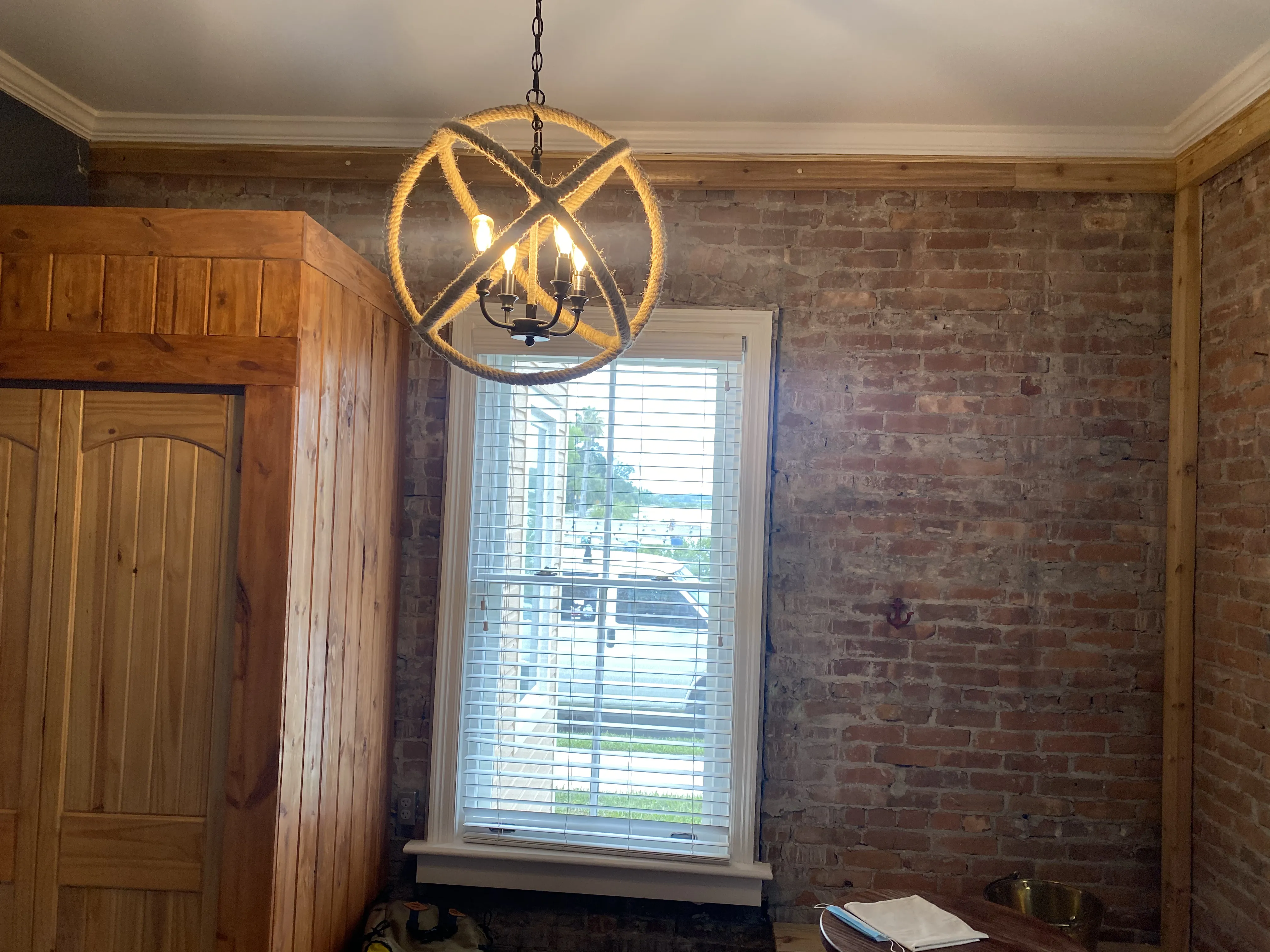
Repair and repaint together
When the work calls for both wall repair and a finished coat of paint, planning them together helps the result read as one complete room. It also gives homeowners one practical conversation instead of separate schedules for patching, texture and paint.
Explore drywall repair →What a good scope considers
A living room, bedroom, bathroom, hallway or rental turnover each asks something different of an interior paint project. High-touch areas may need more repair. A room with dark walls may need a more careful transition. Worn trim can make freshly painted walls look unfinished if it is left out of the conversation.
Before requesting a quote, it helps to note which rooms are involved, whether you want walls only or ceilings and trim too, and where you can see damage or rough surfaces. Photos are useful for an initial discussion, especially for drywall holes, water staining after the source has been fixed, old wall-mounted-TV cutouts and textured walls.
If you are choosing colors, consider the light the room receives, the flooring and fixtures that will stay, and whether nearby rooms need to feel connected. A small sample can look very different when it covers more of a wall, so giving a color time in the actual room is a smart way to avoid a surprise after the work begins.
It is also worth deciding what you want the room to feel like when the work is done. A brighter ceiling can lift a low-light room. A clean trim color can sharpen doors and baseboards. A quieter wall color can help an open living area feel more settled. The amount of daily use matters too, especially in hallways, bathrooms, kitchens and rental spaces. Those choices do not need to turn into a design project, but they give the conversation a useful direction before the work is priced and scheduled.
A straightforward process
Good planning gives the project room to move without making the homeowner guess what happens next.
Share the rooms you want to update, the condition of the walls and trim, the colors you are considering and anything that needs repair. A clear look at the space makes it easier to plan the work that will actually improve the finished room.
Good interior painting is more than picking a color. The scope can account for walls, ceilings, trim, doors, patching, texture work and the parts of the home that need protection while the work is underway.
Surface preparation comes before the finishing coats. Once the work is complete, the final walk-through gives you a chance to see the room as a whole and make sure the details feel right.
Homes, rentals and condos
For homeowners, an interior repaint can be the reset that makes a space feel cared for again. For rental owners and property managers, the same work may be about getting a unit ready, addressing wear between tenants or making sure a repair is not left visible when the next guest arrives.
Good Fellas has completed St. Augustine-area interior projects that pair repainting with the practical work around it, including wall preparation, flooring updates, tile work and finish details. That perspective helps when the paint project is one part of a larger effort to bring a room or condo back into shape.
When a project also includes shelving, trim or another finish detail, discussing it alongside the painting work helps the room come together with fewer loose ends at the finish line.
See an example of that kind of coordinated work in the Preserve condo refresh, or view more interior finish work from the Good Fellas project gallery.
Frequently asked questions
The right scope depends on the rooms and their condition. It can include walls, ceilings, trim, doors, surface preparation and repairs that need to happen before painting. Sharing photos or walking through the space helps make the scope clear.
Yes. Good Fellas can handle common drywall repairs, smoothing and texture work before painting so the new finish is applied to a surface that is ready for it.
It helps to remove small, fragile and personal items from the work area. The best approach for larger furniture, wall hangings and room access can be discussed when the project is planned.
Yes. Interior projects can include more than walls. Trim, doors and ceilings can be part of the scope when they need the same fresh, finished look as the rest of the room.
Yes. Good Fellas works with homeowners, rentals and property managers on interior repainting, repairs and turnover work in the St. Augustine area.