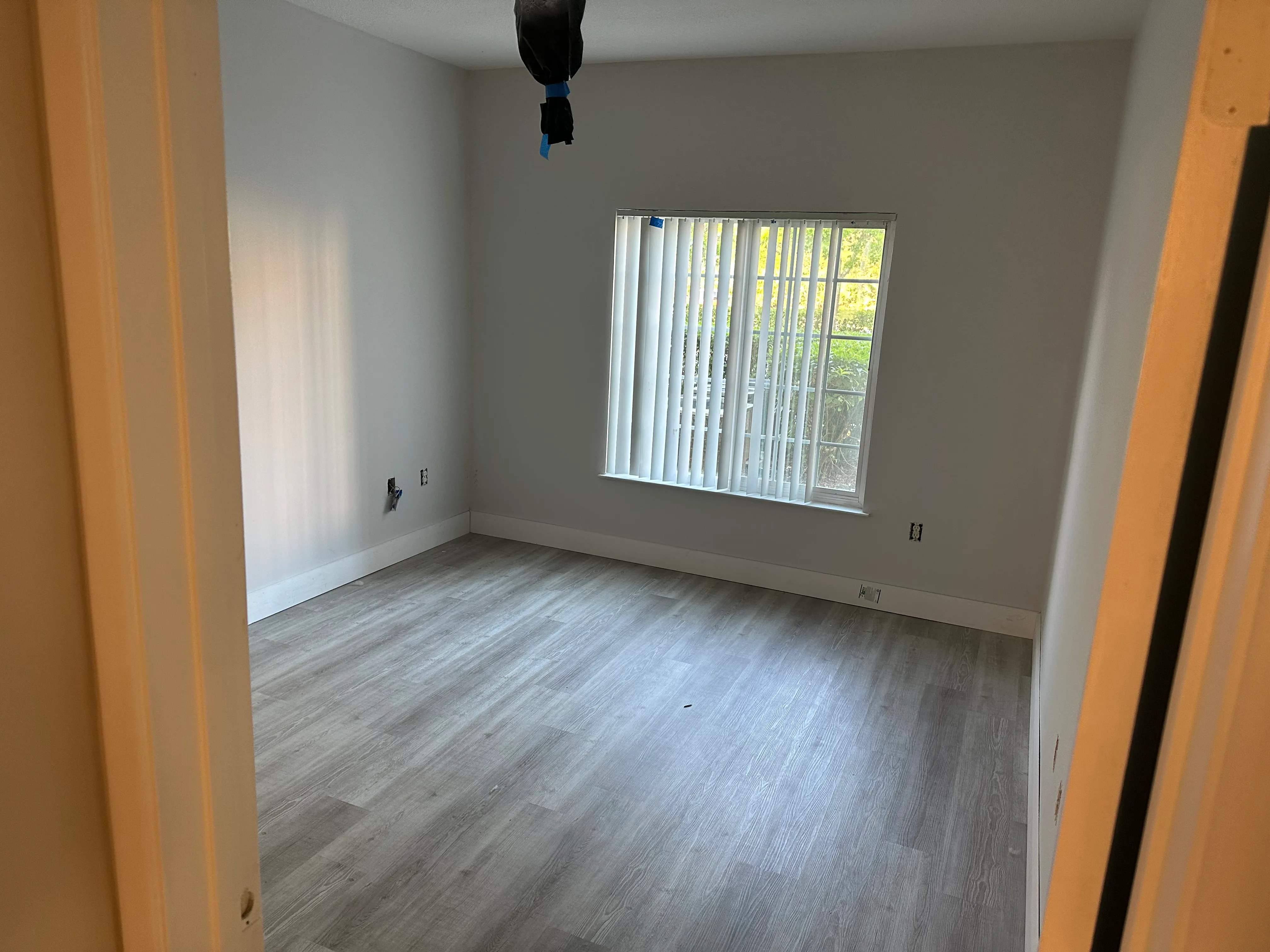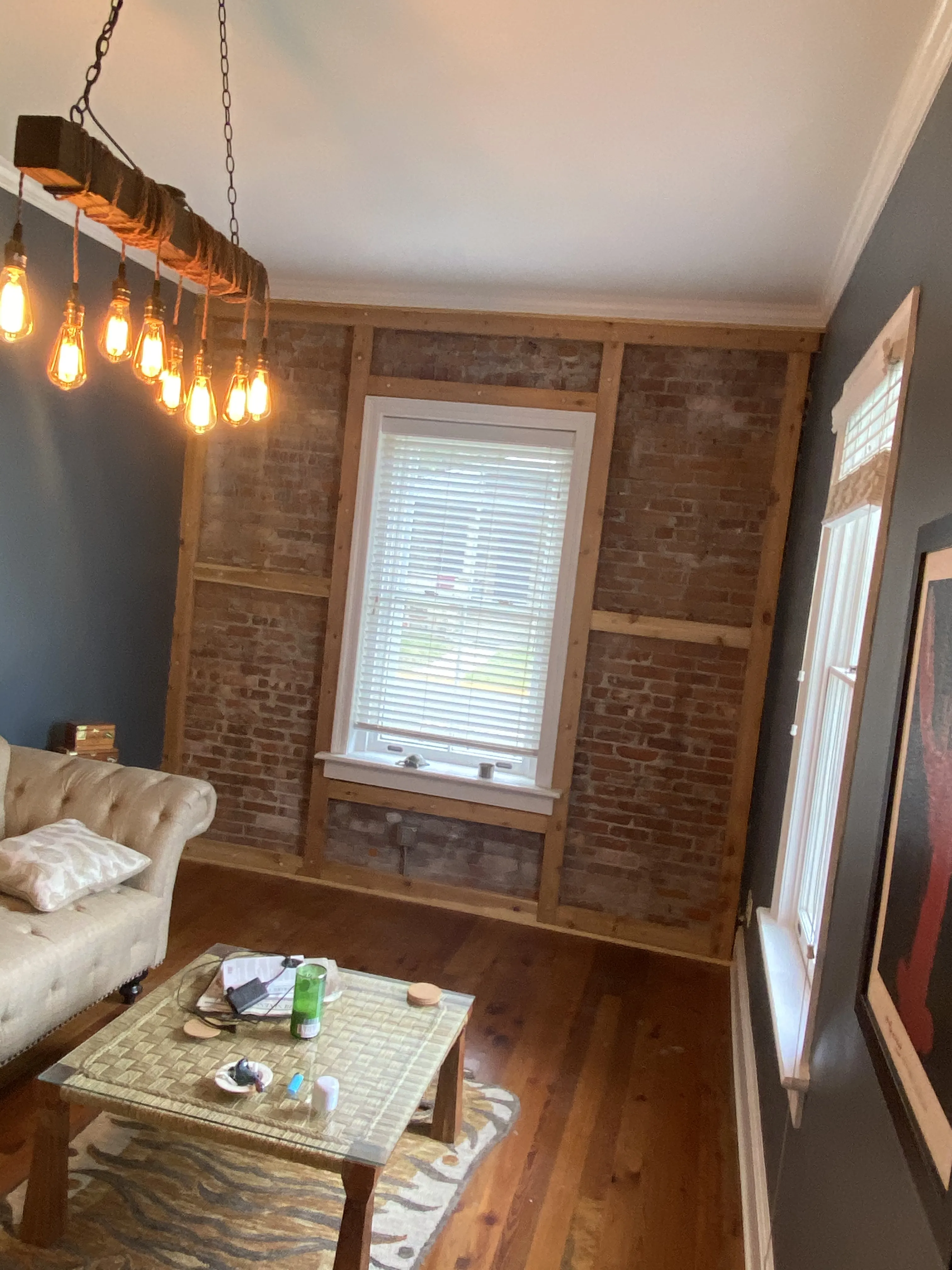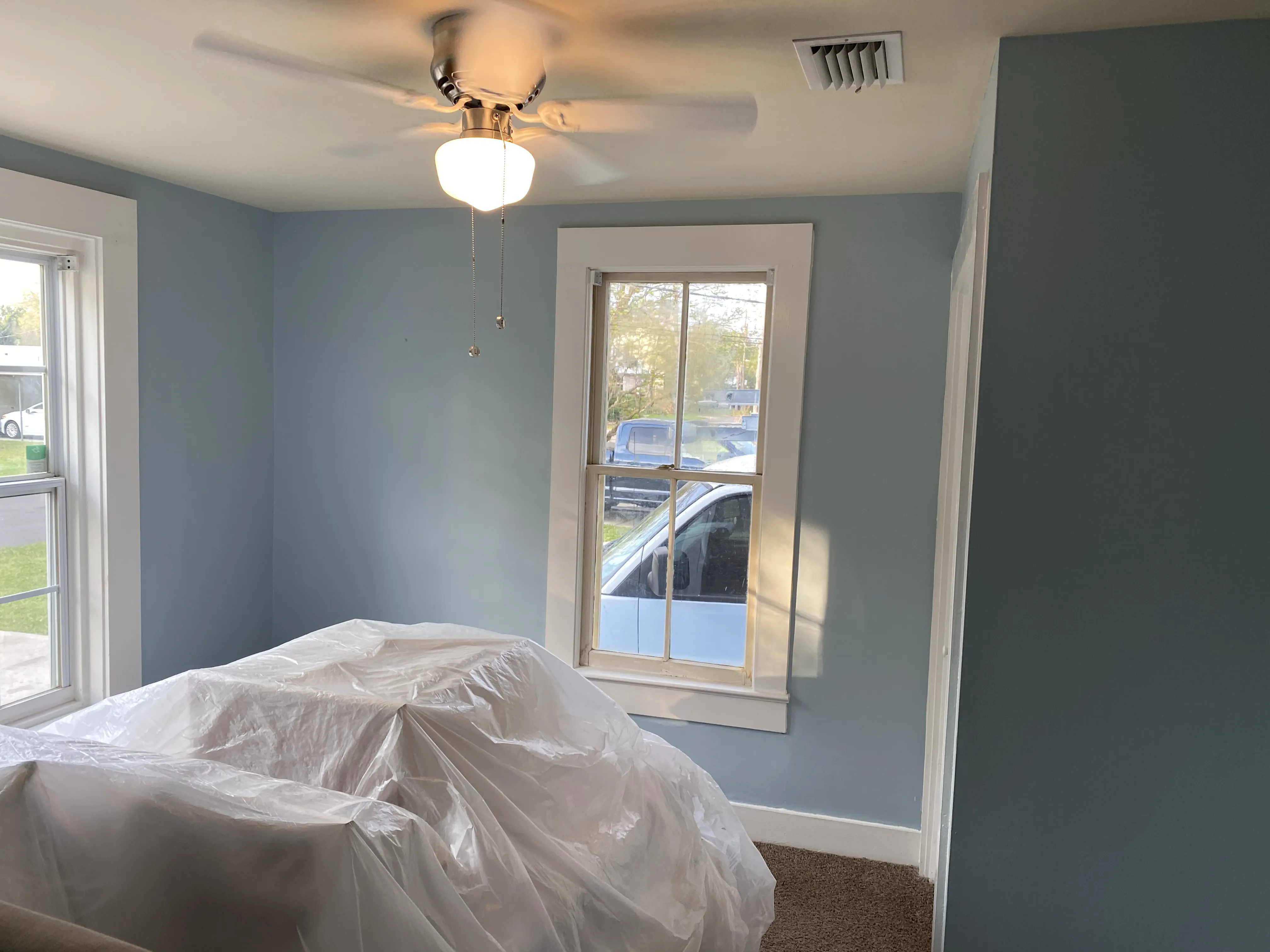
The best paint finish for walls is usually the lowest sheen that still suits the way a room is used. That sounds simple, but it keeps a homeowner from choosing a shiny, scrub-friendly paint for a wall that has visible patches, or choosing an ultra-flat finish for a hard-working hallway that will be wiped every week. A finish is more than a design detail. It changes how the colour reads, how the wall catches light and how easily everyday marks show up.
Instead of beginning with a label such as “eggshell” or “satin,” begin with the room. How much direct light does it get? Is the drywall smooth? Will children, pets, dining chairs or damp towels put the wall through regular use? Once those questions are clear, selecting a finish becomes a practical decision rather than a guess at the paint counter.
The Short Answer: Match Sheen to the Room and the Surface
For many sound, reasonably smooth interior walls, a matte or eggshell-style finish gives a calm appearance without turning every bit of light into a spotlight on the drywall. Rooms with more contact, moisture or regular cleaning may call for a durable product in a slightly higher sheen. Trim, doors and cabinets often need a different coating altogether because they take more direct wear.
Finish names are useful shorthand, but they are not universal measurements. One brand's satin can look or perform differently from another brand's satin, and product lines within the same brand can vary. Sherwin-Williams groups common paint sheens from low-reflection flat and matte through eggshell or satin, semi-gloss and gloss, while also noting that light changes how each one is perceived. Compare the actual samples, not just the names on two lids.
What Paint Sheen Changes in a Room
Light and colour. Sheen is the amount of light a painted surface reflects. A lower-sheen wall tends to look softer and quieter. A higher-sheen wall reflects more, which can make a colour appear sharper or different as you walk through the room. That is why a colour sample should be tested in the actual room, in daylight and after dark, rather than judged only under store lighting.
What the wall reveals. Reflection is unforgiving. A semi-gloss or glossy finish can expose a drywall patch, rough texture, roller edge or slight wall waviness that was easy to overlook before painting. That does not make a higher sheen wrong. It means the surface needs to be ready for it. The wall-preparation checklist explains how cleaning, repair, sanding and primer help a finished wall read as one surface.
Cleaning and wear. A paint product's durability is not determined by sheen alone, but finish still affects how a wall handles touching and cleaning. Higher-sheen surfaces have traditionally been easier to wipe. Modern low-sheen products can also be highly washable, so read the specific product information instead of assuming flat paint can never work in a family space. The company's gloss and sheen guide is a useful way to compare the visual difference before picking a room's final finish.
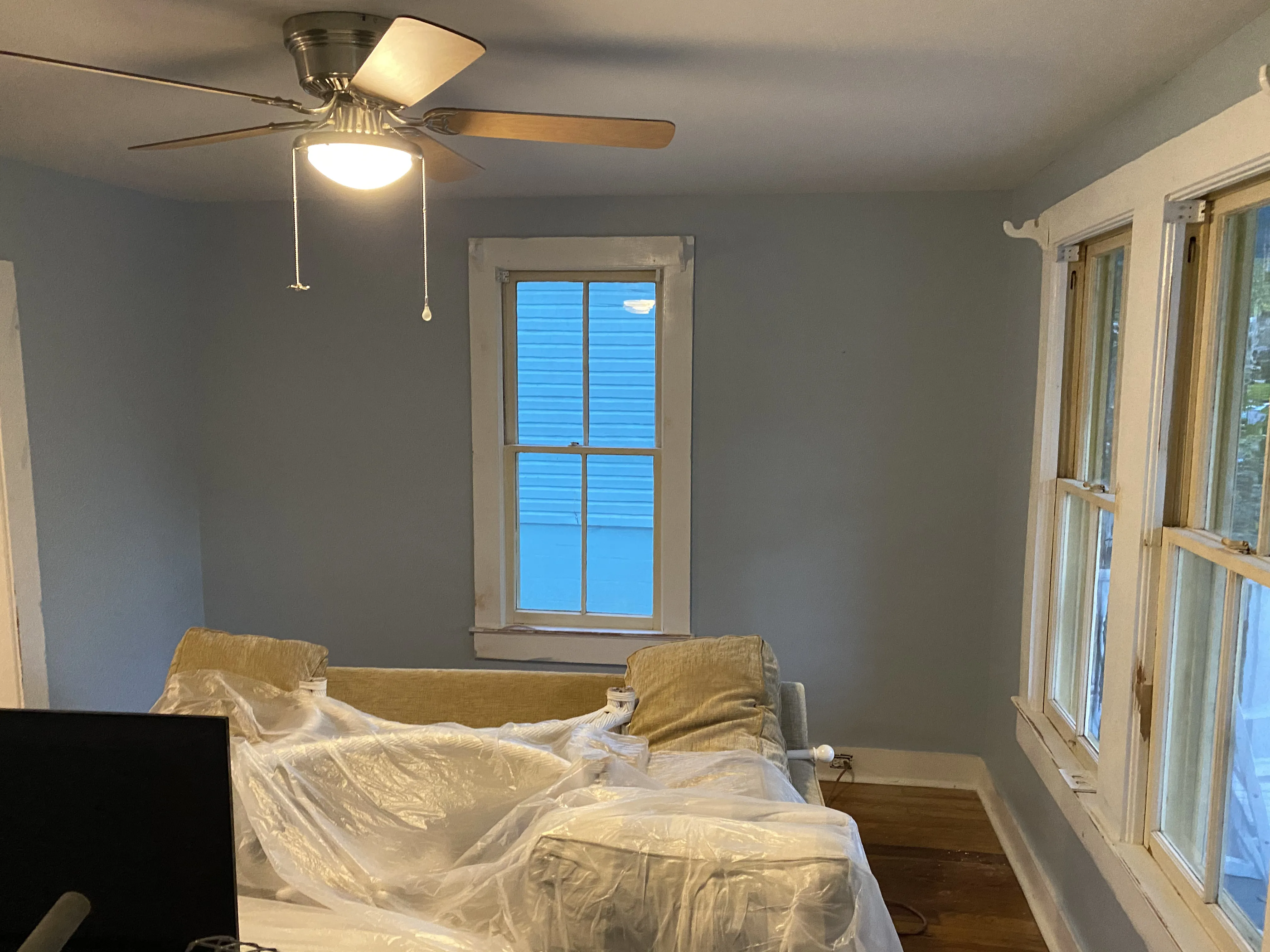
Flat and Matte: Best When a Soft Look Matters Most
Flat and matte finishes have very little visible reflection. They can make a bedroom, living room, dining room or ceiling feel calm, especially when the home has strong Florida daylight that already moves across the walls. Their lower sheen can be forgiving of small texture differences and ordinary drywall character, which is useful in an older home or on a large wall that receives side light.
The tradeoff is practical: not every low-sheen product will tolerate the same amount of scrubbing. A quiet guest room is different from a kitchen wall beside the bin or a hallway at child height. If you want a low-sheen appearance in an active space, choose a quality washable coating made for that use and test it in a small, inconspicuous area first.
Matte is not a shortcut around preparation. A loose tape seam, stain, water-damaged patch or rough repair can still show through. It simply does not amplify minor imperfections the way a glossier finish can. If a wall has more than small cosmetic damage, start with drywall repair and texture work rather than hoping a new colour will disguise the problem.
Eggshell and Satin: A Practical Middle Ground
Eggshell and satin sit in the middle of the sheen range, although exact names and shine vary by manufacturer. They are often considered for living rooms, hallways, dining areas, bedrooms and other walls that need a little more resilience than a low-traffic room. The small amount of reflection can add life to a colour without making the wall look shiny from every angle.
For many homeowners, this is where the decision comes down to surface condition and cleaning habits. An eggshell-like finish may be enough for a well-prepared living room or bedroom. A busier stairwell, mudroom or family space may make a satin-style finish worth considering if the wall is smooth and the product is suited to regular cleaning.
Do not select a sheen simply because it is described as “family friendly.” Run your hand and a light across the wall first. If patches or texture catch your eye now, they will likely catch it after a more reflective finish is applied. A few careful repairs before painting can create more options and a much better final result.
Bathrooms, Kitchens and Laundry Rooms Need a Moisture Check First
Bathrooms and kitchens are often treated as automatic high-sheen rooms. A more useful approach is to start with moisture, ventilation, cleaning and the paint system. A quality coating that is designed for the room can help, but no paint finish can solve a shower that leaves the room damp for hours, a leaking supply line or a stain that keeps returning.
Before a bathroom repaint, look at the ceiling near the shower, corners around the exhaust fan, the wall behind towel hooks and any paint that is bubbling or peeling. If the surface is stable and the room ventilates well, choose a finish and product that suit the manufacturer's guidance for that use. If the paint is failing in one repeated location, find the source before covering it again.
Kitchen walls have their own kind of wear: cooking residue, splashes and frequent spot cleaning. A cleanable finish is helpful, but the wall still needs to be degreased, dry and sound before it is coated. The goal is not maximum shine. It is a finish that keeps the room looking intentional after normal use.
Save Semi-Gloss and Gloss for the Surfaces That Need Them
Semi-gloss and high-gloss finishes reflect more light, making them useful where a durable, defined surface is part of the look. Doors, baseboards, window casing, crown molding and selected cabinetry are common candidates. Used next to lower-sheen walls, they can give the room clean visual structure without making the large wall areas feel busy.
They also demand more from the preparation. A glossy door will advertise drips, brush marks, dents and rough grain. Trim with old caulk gaps or chipped paint needs cleaning, repair, sanding and the right primer before the final coating. The sheen will not make a poor surface look crisp, it will make it easier to inspect.
For a room where new trim or wall detail is part of the plan, it helps to decide those pieces with the paint scope. The trim carpentry service can be a useful starting point when baseboards, casing, wall details or a finish repair need to be coordinated with the painting rather than treated as an afterthought.
A Room-by-Room Starting Point
Bedrooms and living rooms: Start with a low-sheen or eggshell-style finish if the walls are in good condition and the space does not need constant cleaning. This preserves a soft appearance while keeping the colour from looking flat in changing light.
Hallways, stairs and entryways: These are touch points. Consider a durable, washable coating in the lowest sheen that makes sense for the condition of the walls. If the drywall is rough, improve it first rather than jumping straight to a glossier finish.
Bathrooms, kitchens and laundry rooms: Use a product that is appropriate for humidity, cleaning and the room's actual use. Check ventilation, stains and peeling before choosing sheen. A persistent moisture issue is a repair problem first.
Ceilings: A ceiling finish is usually selected to minimize glare and keep the plane visually quiet. Water stains, cracks or old patches should be repaired and primed before a ceiling is repainted, because even low sheen cannot make an unresolved stain disappear.
Trim and doors: These surfaces take direct contact, so a more durable finish is commonly appropriate. Keep the contrast with the walls deliberate and allow for the additional preparation a smoother, more reflective coating requires.
How to Test a Paint Finish Before Committing
Choose the likely colour and finish within the actual product line, then paint a generous sample on a prepared section of wall or a movable sample board. Look at it in morning light, direct afternoon light and evening artificial light. Walk past it rather than viewing it only straight on. A sheen that seems subtle from one angle may be much more noticeable from another.
Test it where the room will be hardest on it: near a doorway, behind dining chairs, beside a light switch or in the bathroom's humid zone, provided the wall itself is sound. Do not use a sample to prove that a damaged wall is ready for paint. If the sample exposes a patch or roughness, that is useful information. Repair the surface, then judge the finish again.
When an interior update includes several rooms, interior painting can bring the surface preparation, colour plan, trim details and final walk-through into one clear scope. That is especially useful when a homeowner is choosing more than a colour and wants the completed room to look consistent from wall to wall.
When Good Fellas Can Help
Good Fellas approaches an interior repaint by looking at what the room needs before the first coat goes on. That can mean repairing a wall, preparing trim, deciding whether a ceiling belongs in the scope, or helping the homeowner choose a finish that works with the room rather than against it. The strongest result is not the shiniest one. It is the one that looks clean in the home's real light and holds up to everyday life.
Browse the interior finish work for examples of completed details, see more local project work, or request a quote when a room needs repair, painting or a more complete update.
Frequently Asked Questions
What is the best paint finish for living room walls?
For many living rooms, matte or eggshell is a practical place to start. The better choice depends on the wall condition, the amount of sunlight and how often the room needs cleaning. A room with smooth walls and modest traffic can suit a low-sheen finish, while a busy family room may benefit from a more washable product in a restrained sheen.
Is eggshell or satin better for walls?
Eggshell and satin are both low-to-medium sheen options, but brand names and reflectance can vary. Compare the actual samples in the same product line. Eggshell is often a softer wall finish, while satin is often chosen where extra washability is wanted. The wall condition and room use should make the decision, not the label alone.
What paint finish should I use in a bathroom?
Choose a quality interior coating that is appropriate for a humid, regularly cleaned room, and address ventilation or moisture problems before painting. A bathroom wall that stays damp, has peeling paint or shows repeated staining needs the underlying moisture issue handled first. The exact sheen should follow the product guidance and the room's condition.
Does higher sheen paint hide wall imperfections?
No. Higher sheen reflects more light, which can make patches, rough texture, roller marks and uneven drywall easier to notice. If the wall is not smooth, preparation matters more than choosing a shinier paint. Repair, sand and prime where needed before selecting the finish.
Can I use the same paint finish on walls, trim and ceilings?
You can, but it is not always the most practical choice. Ceilings, walls, trim and doors experience light and wear differently. Many homeowners use a lower-sheen ceiling finish, a suitable wall finish and a more durable trim coating. The important part is choosing compatible products and making the contrast intentional.