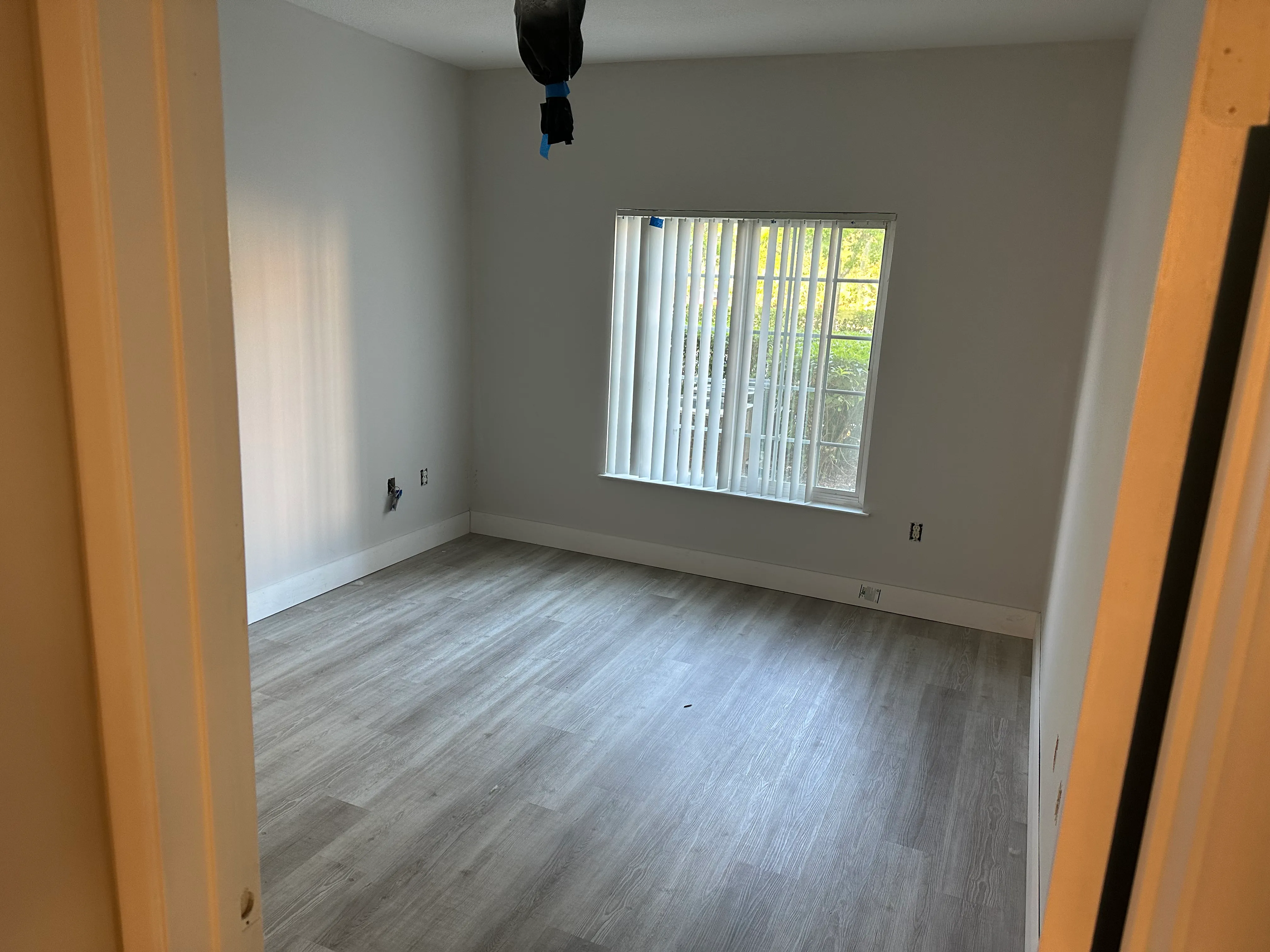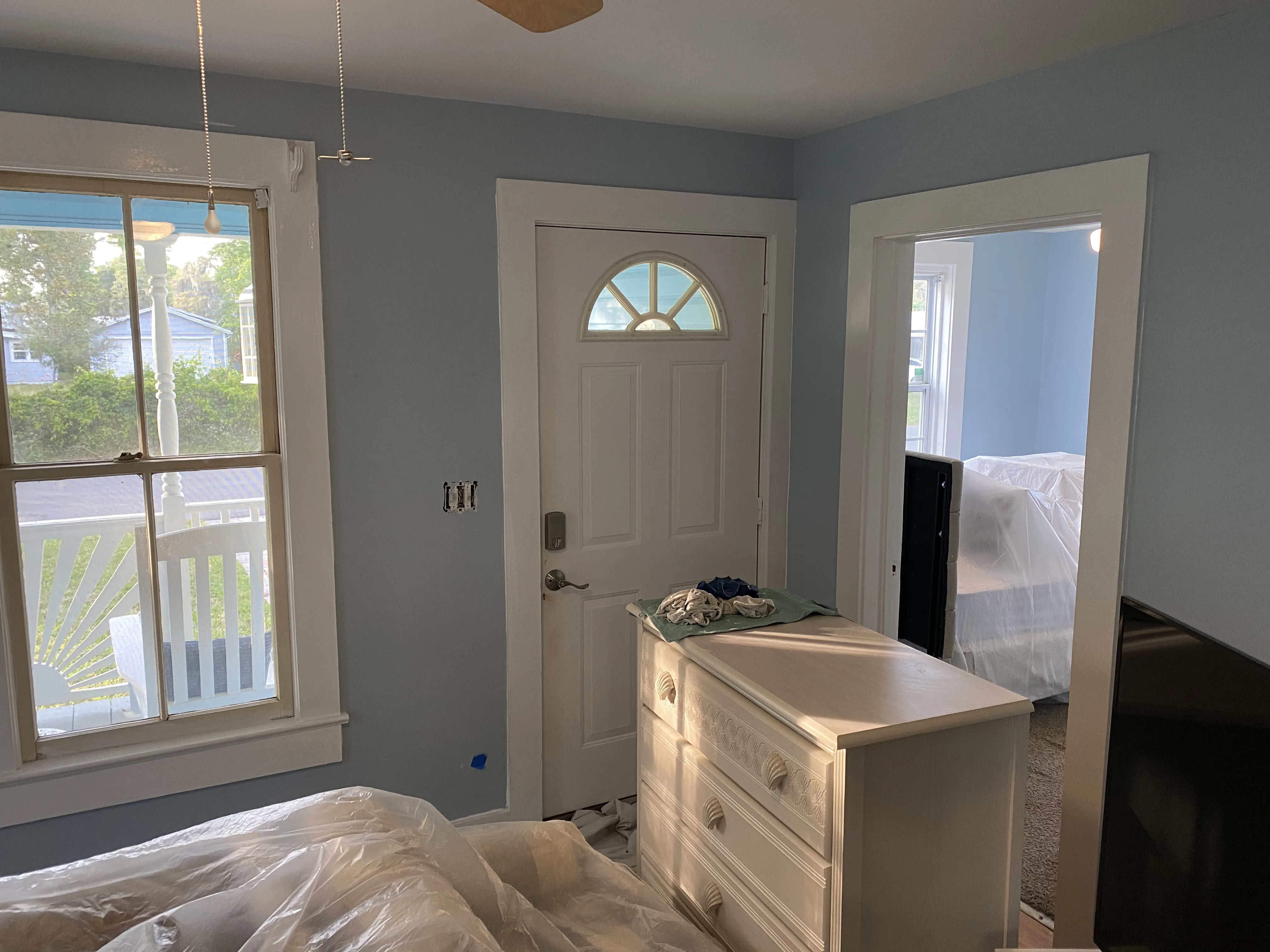
A painted room rarely announces that it needs attention on one specific date. It changes slowly: a hallway collects handprints, a bathroom starts showing moisture marks around the exhaust fan, a living-room wall gets scuffed behind furniture, or a once-clean color begins to feel dull beside fresh trim. Interior paint can last a long time when the surface is sound and the room is easy on it. In a hardworking room, the finish may need help much sooner.
The useful question is not just, “How old is this paint?” It is, “What is happening on this wall, and will cleaning, a small repair or a full repaint give the room a clean result?” That keeps homeowners from repainting a perfectly good room too early, and from repeatedly touching up a wall that really needs a more complete refresh.
The Short Answer: Let the Room and the Surface Decide
Interior paint does not wear at the same pace throughout a home. A guest room with little traffic may stay in good shape for many years. A kitchen, bathroom, mudroom, stairwell, hallway or family room sees more hands, furniture, steam, cleaning and everyday impact. Those rooms commonly show the need for attention first.
Start with a close look in natural light. If the color still looks even, the finish is intact and a gentle cleaning removes the marks, a repaint may not be necessary. If you see repeated scuffs, shiny rubbed spots, staining, cracking, peeling, patchy touch-ups or drywall damage, it is time to decide what is actually causing the problem. Paint can refresh a sound wall. It cannot make an unfinished repair disappear or solve moisture that is still reaching the surface.
What Makes Interior Paint Wear Out Faster
Traffic and contact. Doorways, hallways, stairwells and the wall behind dining chairs get bumped and rubbed far more often than a quiet bedroom wall. Over time, that contact can leave dirt, small dents and polished-looking patches where the finish has been cleaned or touched repeatedly.
Moisture and poor airflow. Bathrooms, laundry rooms and kitchens need paint that suits the room, but even a good coating cannot ignore persistent moisture. Look for staining around a vent, bubbling near a shower, mildew growth, peeling at a window or a repeated damp line. Address the source first, then repair and repaint once the surface is dry and stable.
Surface damage. Nail holes, settlement cracks, dents, loose tape, old wall anchors and failed patches can make a room feel tired even when the color is still right. A repaint works best after those details are repaired, sanded smooth and primed where needed. The same is true when an old patch flashes through the finish because it absorbed paint differently from the surrounding wall.
Cleaning and sheen. A wall can be clean yet still look uneven. Frequent scrubbing can change the sheen, especially on lower-sheen paint, leaving one area more reflective than the rest. That is usually a finish issue, not a dirt issue. Once the light catches those spots from across the room, a full wall repaint is often more convincing than adding more isolated touch-ups.
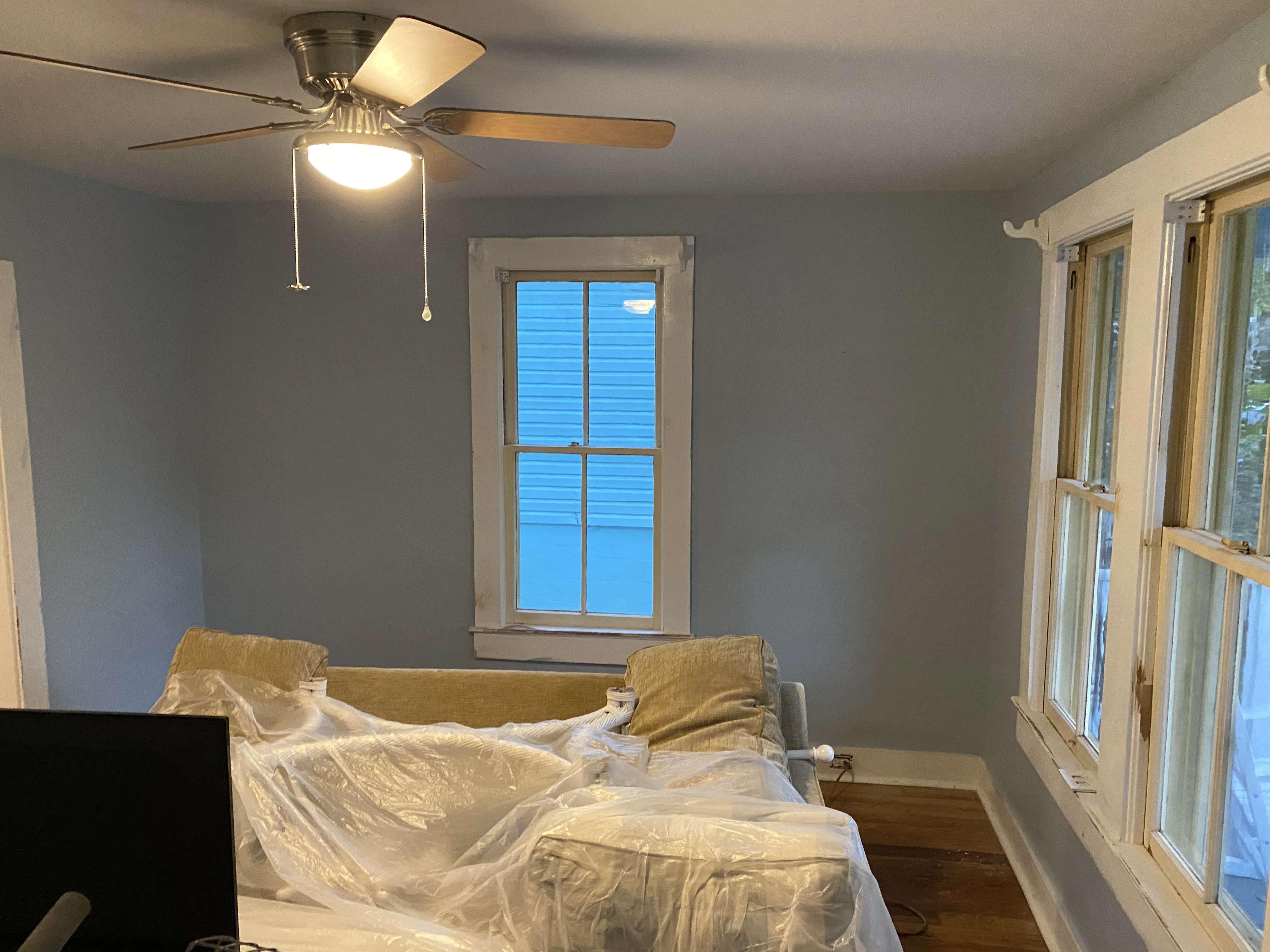
How Long Paint Lasts in Different Rooms
Bedrooms and low-traffic rooms: These spaces are often the longest-lasting because they see less moisture and less contact. A repaint is usually driven by a new color, furniture changes, a repaired wall or a visible mark that will not clean up, rather than a fixed calendar.
Living rooms and dining rooms: These rooms can hold up well, but large furniture, artwork, kids, pets and chair backs can leave their mark. Check the lower portion of the wall, corners, the wall behind seating and the areas around light switches. A good repaint can reset the room after several years of normal use, especially when the trim and wall color no longer feel equally fresh.
Hallways, stairs and entryways: These are the workhorses. Bags, hands, shoes, furniture moves and daily traffic create scuffs that cleaning may not remove evenly. When a hallway has multiple small repairs and touch-ups, repainting the connected wall surfaces together gives the space a more consistent finish.
Kitchens: Grease, steam and frequent cleaning make a kitchen wall work harder. Watch the area near the range, trash, dining space and sink. A washable finish can help, but it still needs a properly prepared wall beneath it. If there is staining or a moisture issue around plumbing, solve that before treating it as a paint-only problem.
Bathrooms and laundry rooms: These rooms deserve a closer look at ventilation and moisture. Paint that is peeling near a shower, window or ceiling may be telling you the room is staying damp too long. Improve the moisture condition before repainting, or the new finish may repeat the same failure.
Trim, doors and cabinets: These surfaces take more direct contact than broad walls, so chips and scuffs show quickly. They also need different preparation and finish choices. A wall paint touch-up is not automatically the right repair for a door or trim detail, particularly when the existing finish is glossy, worn or nicked along an edge.
Five Signs a Room Is Ready for More Than a Touch-Up
1. Touch-ups show from across the room. If the spot is a different sheen, color or texture, adding more paint can make the wall busier. Repainting from corner to corner usually gives a cleaner result.
2. Cleaning leaves shiny or dull patches. This often means the finish has been burnished or worn unevenly. The wall may be clean, but it will not look consistent in changing light.
3. Repairs are visible through the paint. A patch needs to be flat, sanded and primed when appropriate before a finish coat. If it is still telegraphing through, more color alone will not correct the surface.
4. You see peeling, bubbling or staining. Before repainting, check whether moisture, a leak, poor ventilation or an old repair is involved. Interior paint should not be used to hide an active condition that needs attention.
5. The room looks tired even after you clean it. Sometimes the paint is technically intact, but the walls, trim and repaired spots no longer read as one finished surface. That is a valid reason to plan a refresh. A room should feel cared for, not merely free of obvious damage.
A Quick Walk-Through Before You Decide
Start at the doorway and look across each wall, not straight at it. Side light from windows and lamps is where uneven touch-ups, raised patches and sheen changes are easiest to see. Then move closer and inspect the areas that take the most contact: around switches, door frames, chair rails, corners, behind furniture and beside trash cans or pet beds.
Make three simple notes as you go. First, list anything that needs a repair before paint. Second, note which marks come clean with a damp cloth and which ones remain visible. Third, decide whether the room needs a color change, a consistent finish, or both. That short walk-through turns a vague feeling that the room looks tired into a useful scope for a touch-up or a repaint conversation.
Take a few photos in daylight before moving furniture. A wide view shows where the room needs continuity, while close photos help explain a crack, dent, stain or failed patch. For a larger project, include the ceiling, trim, doors and connected spaces in the conversation. It is easier to make deliberate choices before work starts than to realize halfway through that fresh walls make the old trim or unfinished repair stand out more.
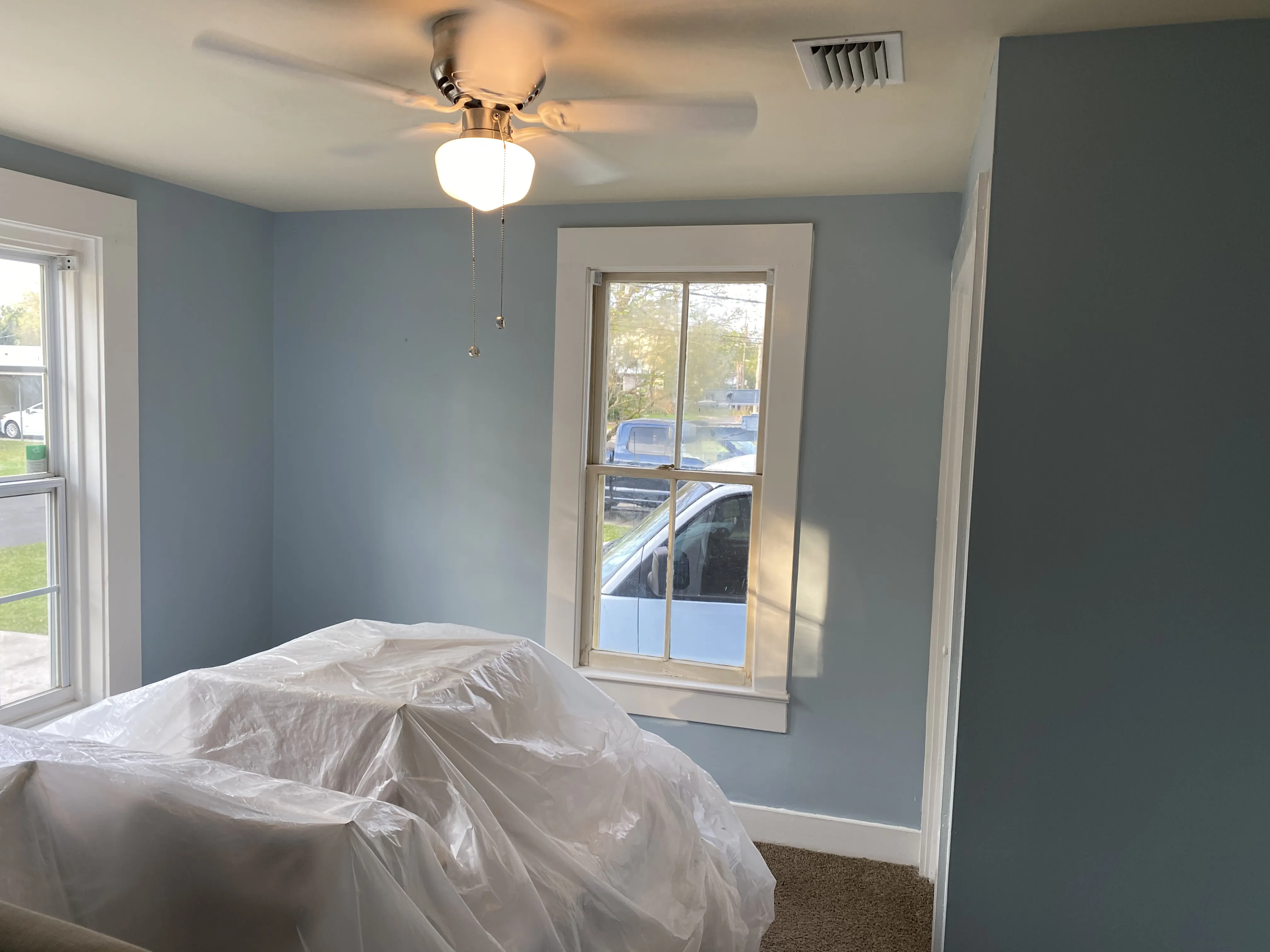
Touch Up, Repair or Repaint: Choose the Right Level of Work
A touch-up is best for a small, clean mark on a wall where you have the original paint and the surrounding finish still matches. Try the paint in an inconspicuous spot first. Color can shift with age, light exposure and previous cleaning, and a small touch-up that looks fine wet can stand out after it dries.
A repair and repaint makes more sense for nail pops, cracks, dents, loose tape, damaged texture or water marks after the underlying issue is resolved. Good drywall work matters because interior paint highlights the surface beneath it, especially in side light from windows. The drywall repair service is a useful starting point when the wall needs more than a cosmetic dab of paint.
A full-room repaint is usually the right call when the color has changed, the walls are broadly marked, multiple touch-ups are visible, or the finish needs to feel consistent again. It also makes sense when repainting the ceiling, trim and walls together will give a space a more complete reset. A fresh wall beside yellowed trim can make the trim look more tired, so consider the room as a whole before deciding the scope.
Plan the Repaint So the Finish Holds Up
Good interior painting starts before the first coat. Move or cover furniture, protect floors, remove hardware where practical and identify each repair before color decisions take over. Walls should be clean and dry. Glossy or damaged areas may need sanding, and repaired sections may need primer so they do not absorb the finish differently from the surrounding paint.
Dry time and cure time are not the same thing. Sherwin-Williams notes that latex paint can be dry to the touch quickly, while full curing takes longer. Follow the label for the specific product, especially before replacing furniture, hanging artwork, washing the wall or applying another coat. Its drying and curing guidance is a useful reminder that a wall that feels dry is not automatically ready for hard use.
Older homes need an extra pause before disruptive prep. The EPA explains that renovation, repair and painting work on pre-1978 homes can create dangerous lead dust when old paint is disturbed. Review the EPA's lead-safe renovation guidance before sanding or scraping those surfaces, particularly where children or pregnant people may be present.
When It Is Worth Bringing in a Painter
Professional help is most useful when the job includes more than rolling a clear wall. That can mean repairing drywall, matching texture, dealing with high stairwells, preparing trim, managing several connected rooms, correcting uneven previous work or coordinating paint with another home update. The value is in getting the preparation, protection and finish aligned so the room does not look patched together when the furniture goes back.
For a homeowner planning a larger update, browse the interior painting service and the interior finish work project. They show the kind of preparation and finish detail that makes the paint feel like part of a complete room, rather than a last-minute cover-up.
How Good Fellas Can Help
Good Fellas approaches an interior repaint by first looking at the room's condition: what needs repair, what needs protection, which surfaces should be included and where a fresh finish will make the biggest difference. That owner-led approach is especially helpful when paint work connects to drywall repairs, trim details or a broader home-maintenance list.
See more completed work in the project gallery, or request a quote when you are ready to talk through the room and the result you want.
Frequently Asked Questions
How often should interior walls be repainted?
There is no single schedule that fits every room. A quiet bedroom with sound walls may go many years between repaints, while a kitchen, bath, hallway or family room may need attention sooner because it sees more moisture, cleaning, fingerprints and everyday contact. Let the room's condition guide the decision.
Can I touch up interior paint instead of repainting the room?
A touch-up can work when you have the original paint, the wall is clean and the repair is small. It is less reliable when the paint has faded, the sheen has changed, the wall has been scrubbed repeatedly or the repair covers a broad area. Test a small spot first before committing to a larger patch.
Why do my painted walls look shiny in spots?
Shiny spots often appear where a wall has been rubbed, cleaned or touched frequently. The paint film can become burnished, especially with flatter finishes. If cleaning no longer evens out the appearance, repainting the wall may be a cleaner answer than adding scattered touch-ups.
Should I repair drywall before painting?
Yes. A crack, nail pop, dent, water stain or damaged texture should be repaired and allowed to dry before paint goes on. Painting over an unfinished repair usually leaves the surface more noticeable, not less.
Do older homes need special care before repainting indoors?
They can. For a home built before 1978, sanding, scraping or other work that disturbs old paint can create lead dust. Check the EPA's lead-safe renovation guidance before doing disruptive prep work, especially when children or pregnant people use the space.