A deck can look acceptable from the back door long after its protective finish has started to wear away. In Florida, heat, sudden rain, humidity, salt air near the coast and everyday foot traffic all work on the boards at once. That is why a can's longest possible warranty is not a useful promise for every deck in St. Augustine.
The practical answer is this: deck stain lasts until the wood, exposure and finish say it is time for maintenance. Some decks need a fresh plan sooner because the walking surface faces hard afternoon sun or holds water around railings. A covered deck with sound boards and regular care may hold its finish much longer. The best approach is to inspect the deck before the wood turns gray, rough or damaged.
Why Deck Stain Has No Fixed Lifespan
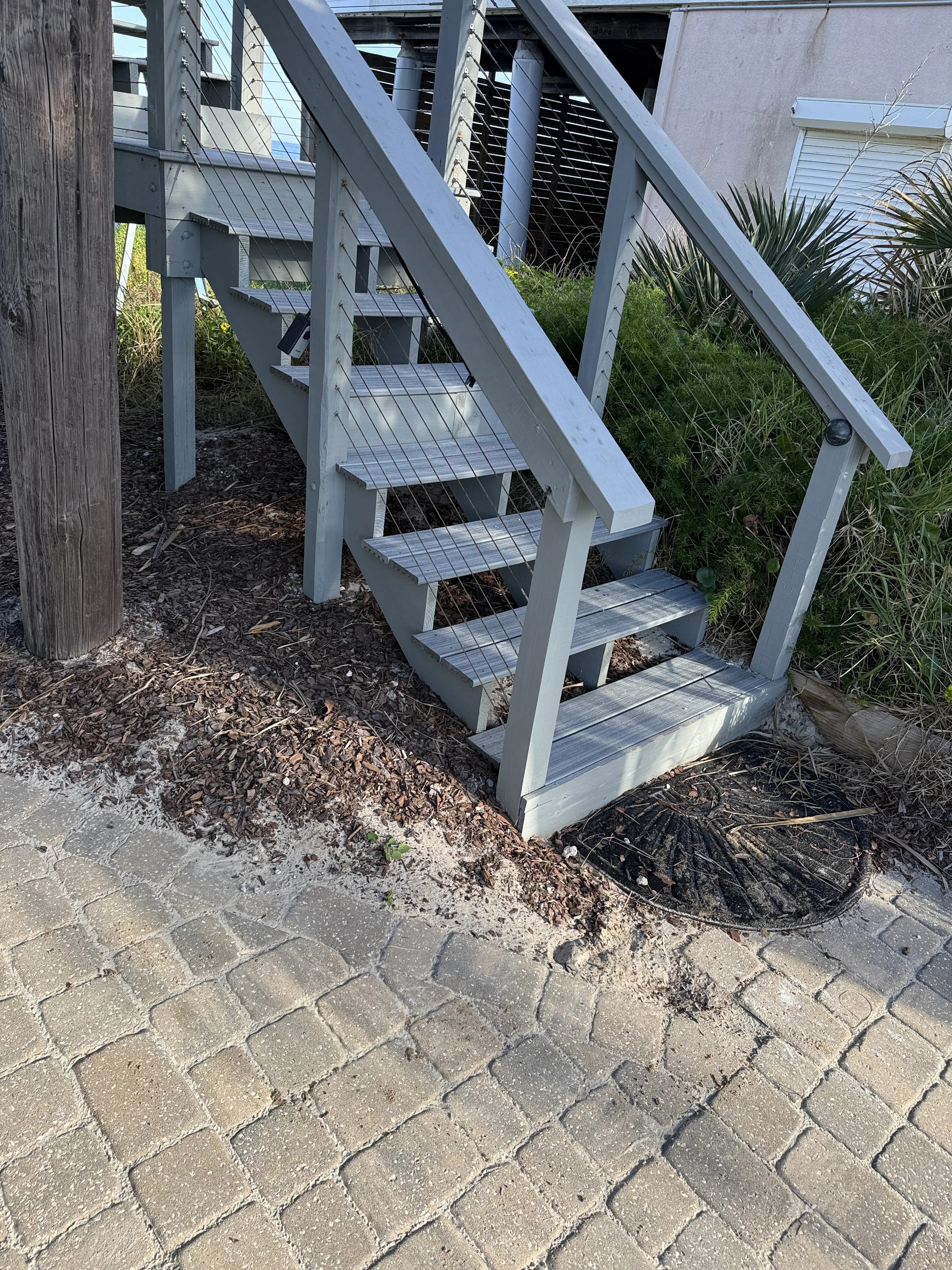
Decks are horizontal surfaces, which means they take more weather and wear than siding or a fence. Shoes, furniture, pet traffic and standing water work directly on the same boards that receive ultraviolet light. Railings and posts often look better for longer because they do not carry that daily load. A deck can therefore need a maintenance coat while the vertical details still appear sound.
Finish type matters too. Transparent and semi-transparent products allow more grain to show, but they usually need more regular attention because there is less pigment between the wood and the sun. Semi-solid and solid products offer more coverage, which can suit an older or repaired deck, yet a thicker surface finish can create a different maintenance job if it starts lifting or peeling. The product label, previous coating and board condition should all shape the decision.
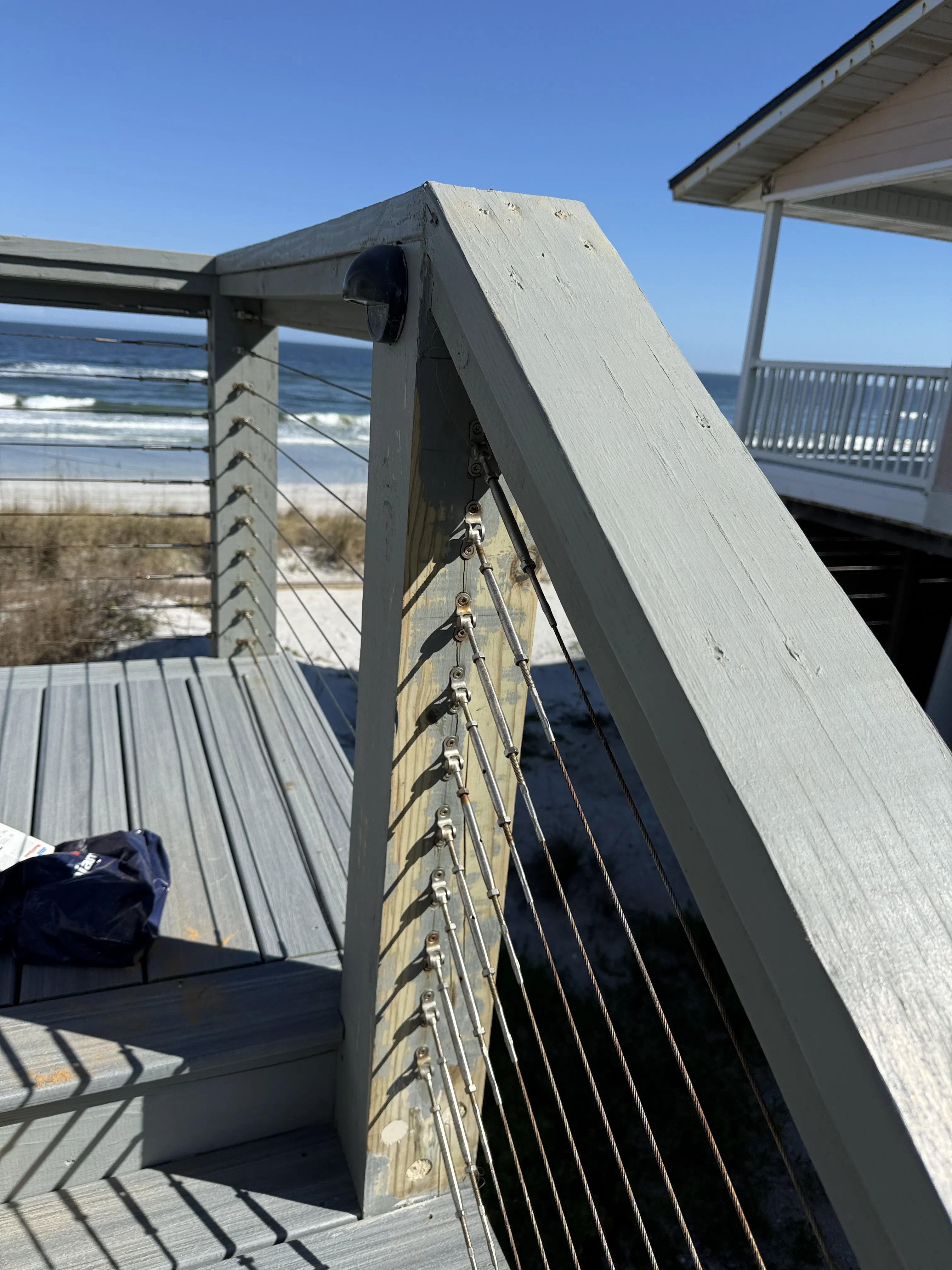
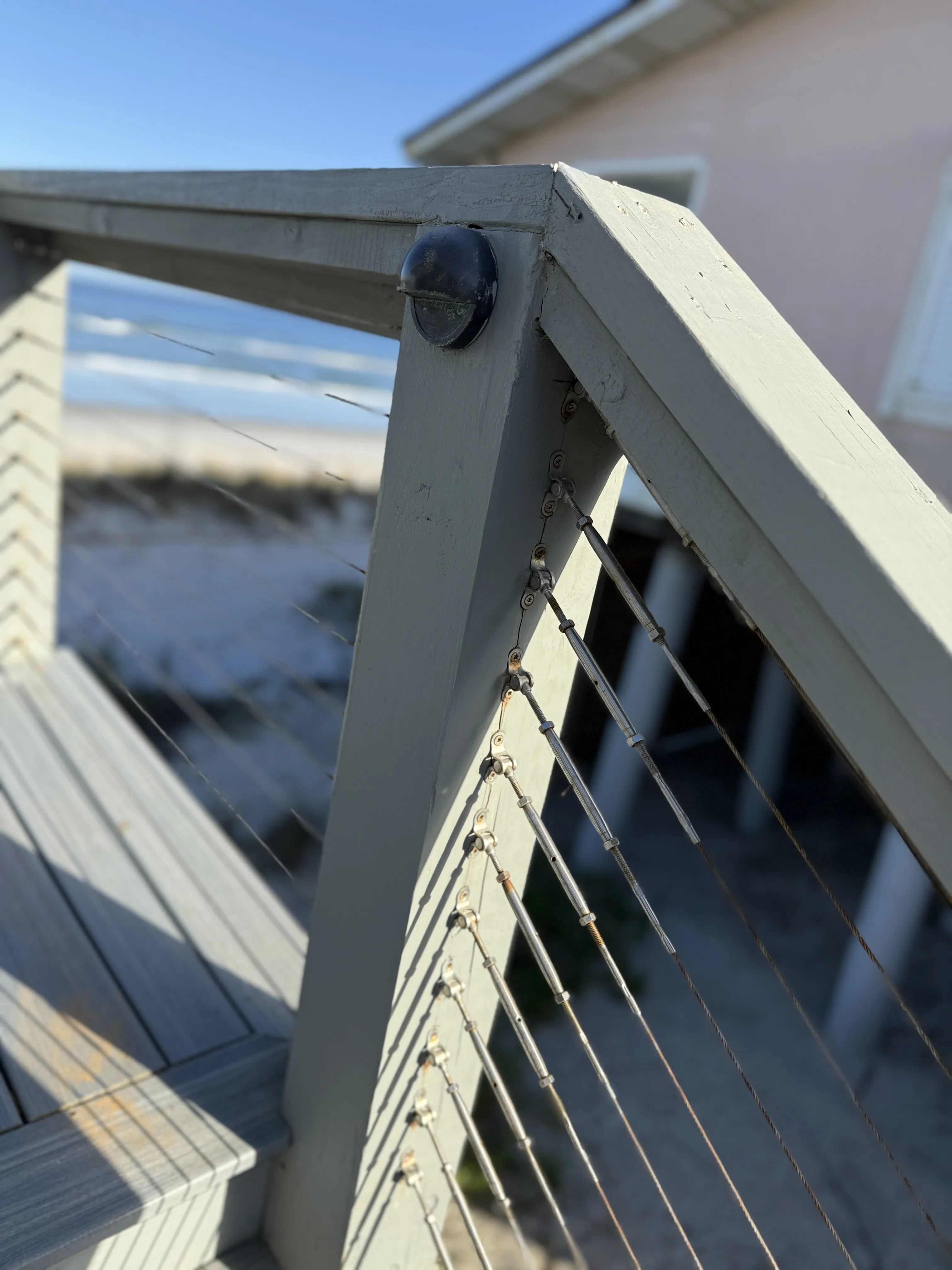
Florida adds its own variables. A deck that sees long hours of direct sun can fade and dry out faster. A shaded deck can hold dampness, pollen and mildew staining. At a beach property, salt air and wind-driven moisture add another reason to check joints, end grain and rail details. None of those conditions automatically mean a deck needs replacement. They do mean the finish should be treated as ongoing protection, not a one-time project.
Five Signs It Is Time to Look Closer
1. Water no longer beads on the boards. After the deck is clean and dry, sprinkle a small amount of water on an open walking area. If it sits and beads, the finish may still be repelling moisture. If it quickly darkens the wood and soaks in, the surface deserves a closer look. Test a few places, especially the sunny traffic path, stairs and boards near the outer edge.
2. The color is fading in patches. Uniform, gentle weathering is different from bare-looking strips where people walk or furniture once sat. Patchy fading can be a sign that the most exposed areas are losing their protection first. It also tells you not to make a decision from one shaded corner alone.
3. The grain feels rough or splintered. A finish will not make damaged wood smooth by itself. Raised fibers, splinters, loose fasteners and soft spots need attention before a new coat goes on. This is especially important around stair treads, railings and the ends of boards where water can work into the wood.
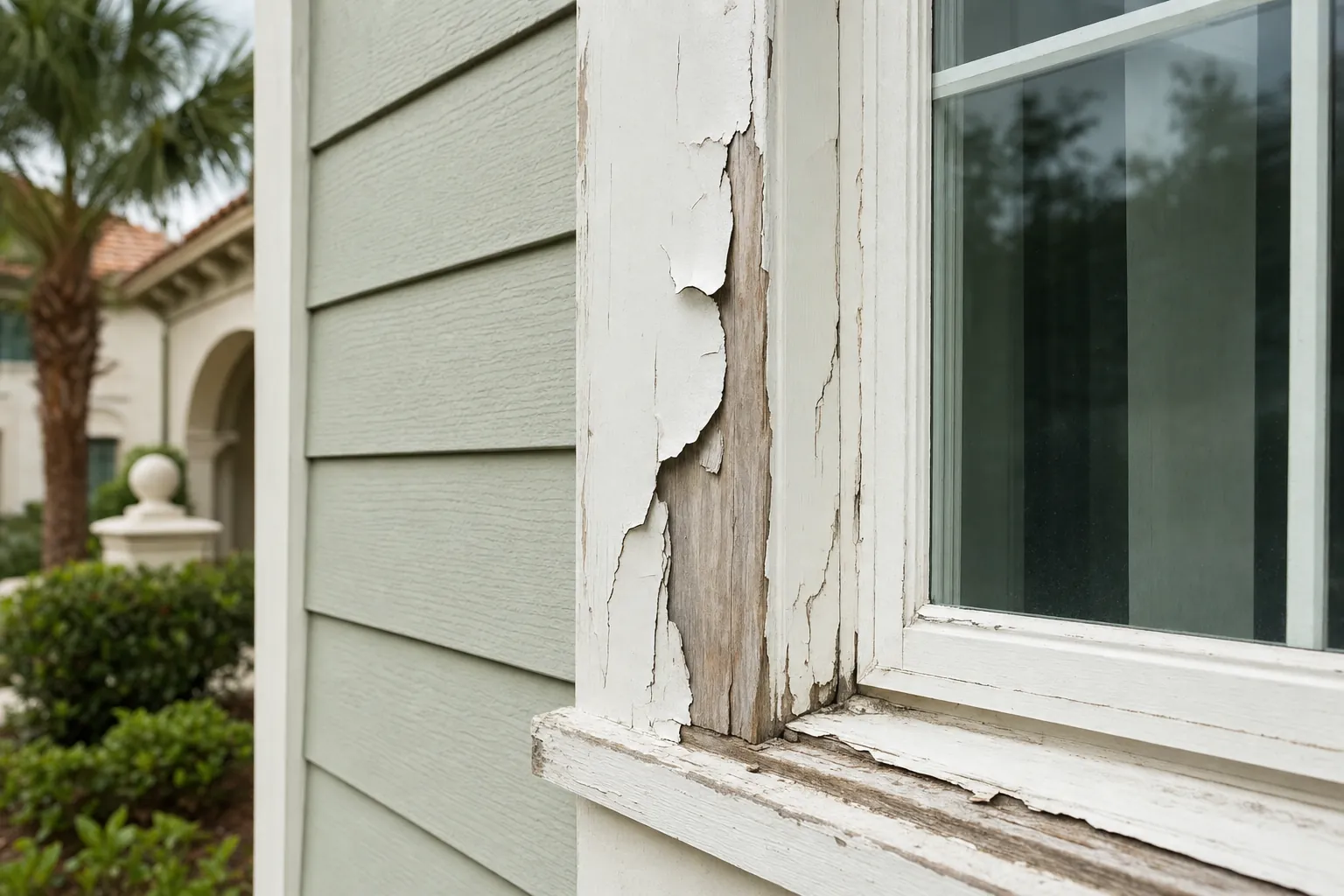
4. The old coating is peeling or flaking. Peeling is not simply a color problem. It may point to a coating that no longer has a sound bond, moisture moving through the wood, incompatible products or preparation that did not match the surface. More stain on top can make the problem look better briefly, but it will not create a stable foundation.
5. Mildew or dark marks keep coming back. Surface growth and staining can be a cleaning issue, but repeated trouble in the same places may point to shade, poor drainage or water held against the deck. Find the condition first. A fresh finish performs better when the wood has a chance to dry and stay clean.
Start With the Wood, Not the Stain Color
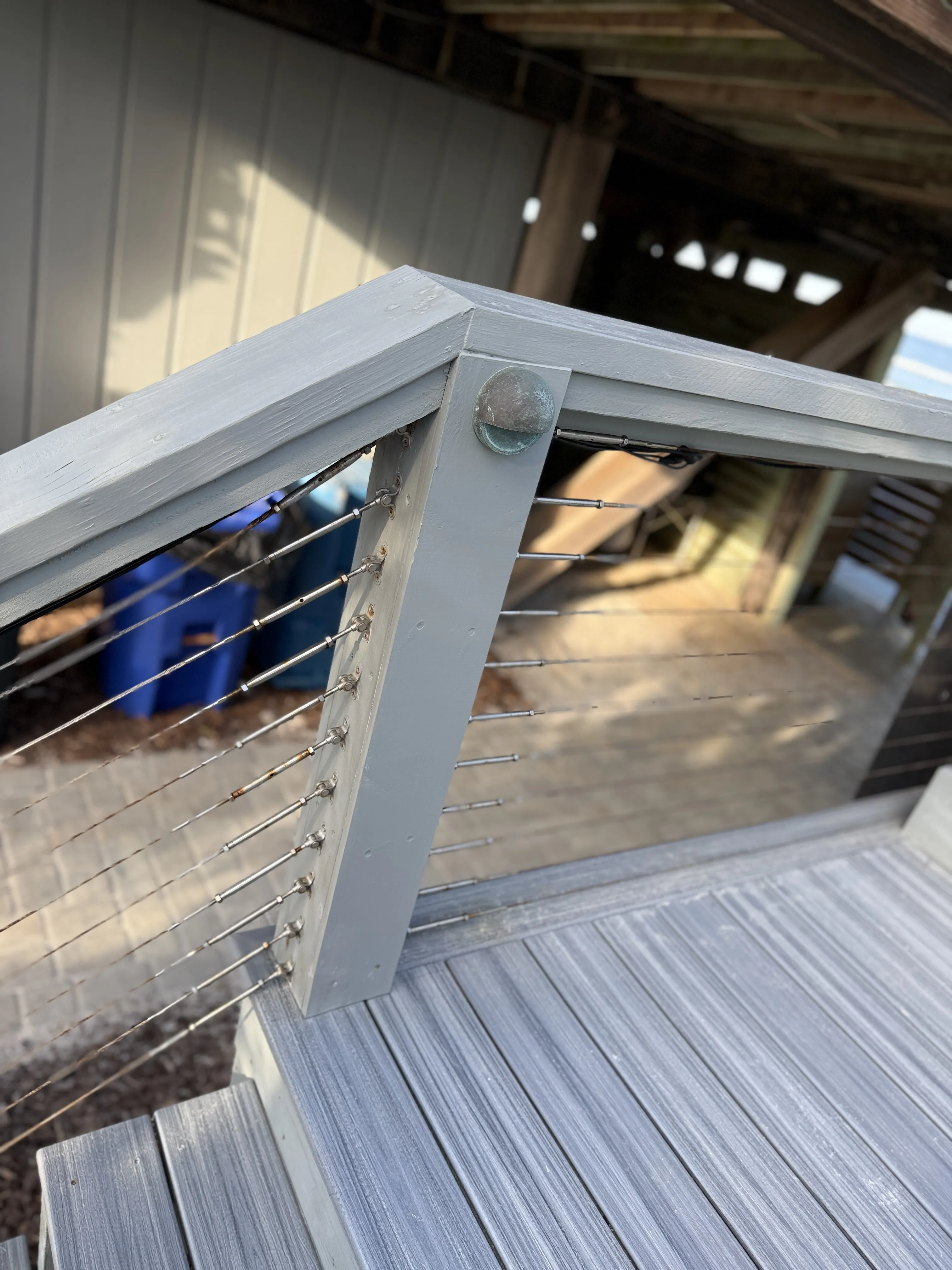
Before choosing a color or product, walk the deck slowly. Look at the top of each board, the gaps between boards, stair edges, post bases, rail connections and any place where a planter or furniture has held moisture. Press gently on suspect areas. Soft, crumbling, split or deeply checked wood may need repair or replacement before refinishing.
Then identify what is already on the deck. A penetrating stain, a solid stain and a painted surface do not prepare the same way. The goal is not to strip sound material out of habit. It is to remove loose or failing material, clean the surface appropriately and create the condition the next coating actually requires. When the old finish is unknown or visibly failing, planning the preparation before buying stain can prevent a costly do-over.
Older painted homes deserve another pause before sanding or scraping. The EPA explains that renovation work can create lead dust when older coatings are disturbed, especially in homes built before 1978. Review the EPA's renovation and repair guidance before doing disruptive preparation, rather than treating deck work as a simple weekend cleanup.
What Makes a Deck Finish Last Longer
Thorough preparation. Clean wood gives the coating a better surface to work with. That may mean removing dirt, mildew staining, loose material or old residue, then allowing the deck to dry fully. Rushing from washing into staining can trap the very moisture the finish is meant to keep out.
A finish suited to the deck. The most opaque option is not automatically the best, and neither is the most natural-looking option. The useful choice matches the wood condition, the look you want, the coating already present and how much routine maintenance you are prepared to do. Product instructions should guide coverage, coats, dry time and compatibility.
Respect for weather. Exterior coating needs an adequate dry window, not simply a day that begins sunny. A good plan considers recent rain, current humidity, the forecast, shade patterns and how long the fresh finish needs before dew or another shower. The guide to painting after rain explains why a surface can look dry before it is ready for a finish.
Simple seasonal care. Sweep leaves and sand away, move planters occasionally, clear standing water and look under rugs or furniture that holds dampness. Those modest habits make it easier to spot a problem while it is still a maintenance issue instead of a wood-repair issue.
Do Not Confuse Dry Time With Readiness
Fresh stain needs time before hard use. The exact window depends on the product, temperature, humidity and application conditions. For example, Benjamin Moore's Woodluxe solid deck-and-siding stain guidance says to allow 48 hours before returning a deck to service. That is a product-specific instruction, not a universal rule, so it is worth reading the label for the coating actually being used.
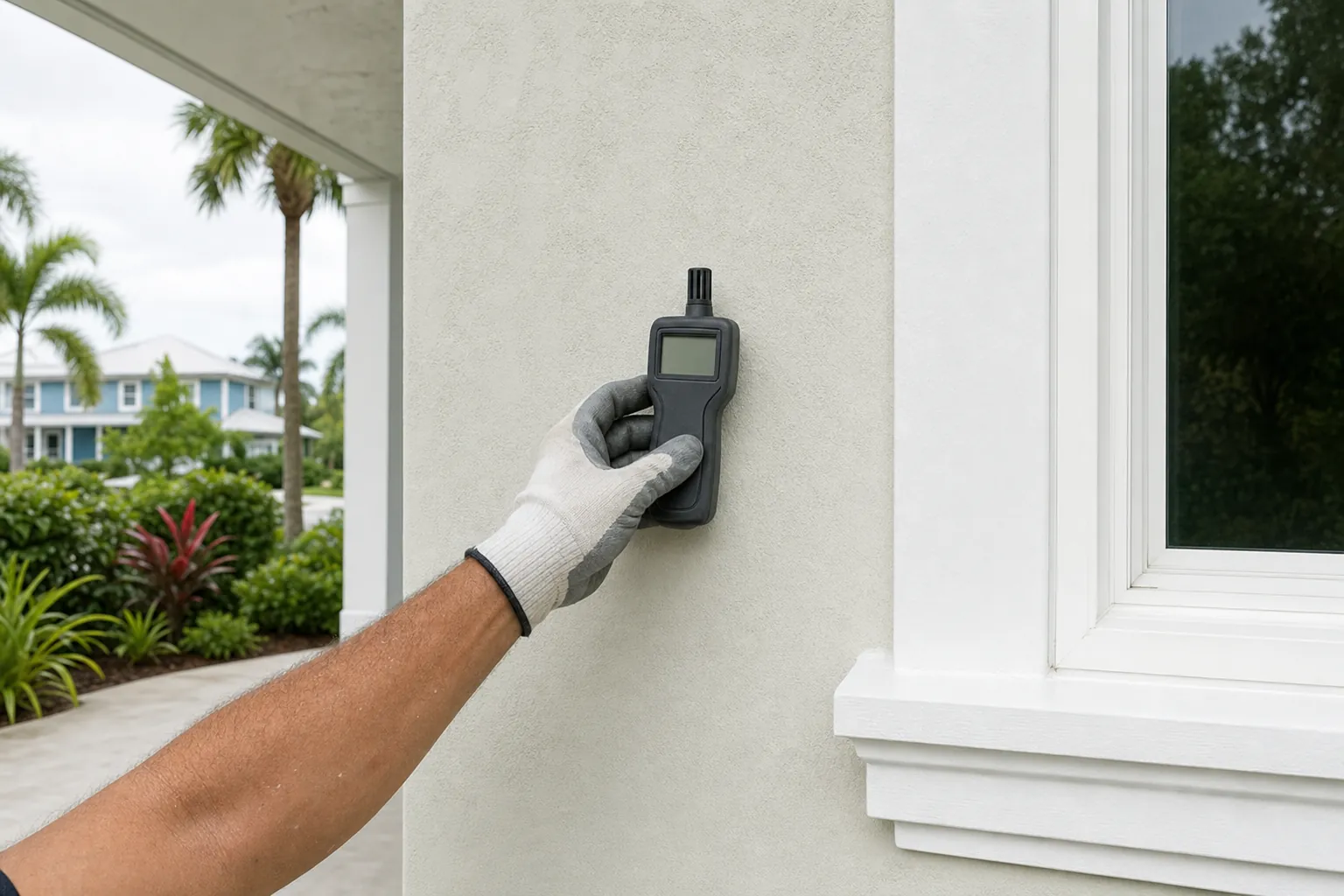
The same principle applies before application. A surface can feel dry at the top while joints, end grain, shaded edges or material below the board surface still hold moisture. A careful inspection and the product requirements matter more than a fixed number of hours. Florida's weather rewards patience here. A finish put on at the wrong time can leave the homeowner with a sticky, uneven or short-lived result.
Stain, Solid Stain or Paint-Like Coverage?
For a deck with attractive, sound grain, a more transparent finish can keep the natural character visible. The tradeoff is that a lower-coverage finish may show weathering sooner, particularly on sun-exposed walking boards. That is not a defect when it matches the homeowner's expectations and maintenance plan.
For weathered, patched or visually uneven wood, a semi-solid or solid finish can create a more consistent appearance. Good coverage can be practical, but it also makes preparation more important. If the existing finish is lifting or the wood is moving excessively, a thicker new coating may repeat the problem rather than solve it.
Paint-like coverage is sometimes the right answer for a worn surface, but no coating can stabilize compromised wood. If the deck has recurring soft areas, failing boards, loose railings or water collecting around structural details, the repair conversation comes before the color conversation. The same principle applies to exterior paint more broadly: the guide to peeling exterior paint explains why a sound surface matters before a new finish goes on.
Common Shortcuts That Cut a Finish Short
Coating a damp deck. This is the shortcut that is easiest to regret in a humid climate. A sunny forecast does not prove that the wood is ready. Water can remain at the board ends, in shaded sections, around rail bases and below furniture long after the top feels dry. Follow the product's preparation and weather guidance, then give the deck the dry time it actually needs.
Using stain to hide a repair problem. A finish can improve appearance and help protect sound wood, but it cannot make a spongy board solid or a loose rail safe. If a defect needs repair, handling it before the finish gives the new work a chance to look intentional and last. Trying to cover that evidence often makes a future repair harder to match.
Applying too much product in one pass. Deck coatings have specific coverage and application instructions for a reason. Heavy application can leave an uneven appearance or a surface that takes longer to set. The answer is not to guess at an extra coat, but to follow the exact product system and work with the condition of the wood.
Ignoring the spaces that hold water. The most exposed center boards may be only part of the story. Look beneath planters, beside walls, at stair corners, near drainage paths and where deck boards meet vertical trim. A small drainage or moisture issue can keep undermining the same area even after it has been refinished.
A Practical Annual Deck Check
Pick a dry day and give the deck fifteen focused minutes. Sweep it first so the wood is visible. Check fasteners and railing connections. Look for raised nails or screws, split boards, soft spots, dark staining, worn traffic lanes and areas where water sits. Perform the water check in more than one location. Then note whether the issue is cleaning, a small repair, a maintenance coat or a larger assessment.
Take daylight photos before moving furniture. A wide view helps show the whole deck, while close photos are useful for peeling, cracking, soft wood or loose details. If the deck is part of a larger exterior update, consider whether railings, siding, trim or nearby doors need attention at the same time. Coordinating related work can keep the finish consistent and avoid protecting the same area twice.
How Good Fellas Can Help
Good Fellas can help homeowners evaluate a deck as part of its real environment, from exposed walking boards to rail details and nearby exterior repairs. The goal is a practical scope: understand what needs cleaning, what needs repair and which finish approach makes sense for the condition of the wood. The deck staining service and the Vilano Beach deck refinishing project show how a coastal deck can be brought back with preparation and a suitable finish.
When you are ready to discuss your deck, request a quote with a few daylight photos, the approximate age of the deck if you know it, and close-ups of any peeling, soft wood or recurring dark areas. Those details make the first conversation much more useful.
Frequently Asked Questions
How long does deck stain last in Florida?
There is no fixed number because deck boards age differently. A sunny, uncovered deck near the coast usually needs attention sooner than a shaded, protected deck. Check the wood each year for water absorption, fading, worn traffic paths, loose coating and soft areas instead of waiting for a calendar date.
How do I know if my deck needs to be stained again?
Start with a close look and a simple water check. If water quickly darkens and absorbs into clean, dry boards instead of beading on the surface, the protective finish may be wearing away. Fading, gray wood, rough fibers, peeling coating and repeated mildew staining are also reasons for a closer inspection.
Can I stain over old deck stain?
Sometimes. A sound, compatible coating may only need cleaning and preparation before a maintenance coat. Peeling, flaking or heavily built-up finish needs more work because new stain can only hold as well as the surface below it. Follow the exact product directions for compatibility and preparation.
Is deck stain better than paint?
They solve different problems. A stain can preserve more visible wood grain, while a solid stain or paint-like coating gives more coverage on an aged or uneven surface. The right choice depends on the deck's condition, the finish already on it and how much natural grain the homeowner wants to keep.
Should I pressure wash a deck before staining?
Cleaning is often part of preparation, but too much pressure can damage wood fibers. The deck must also dry thoroughly before coating. Use the coating manufacturer's instructions and assess the condition of the boards, fasteners, railings and joints before deciding on the cleaning method.