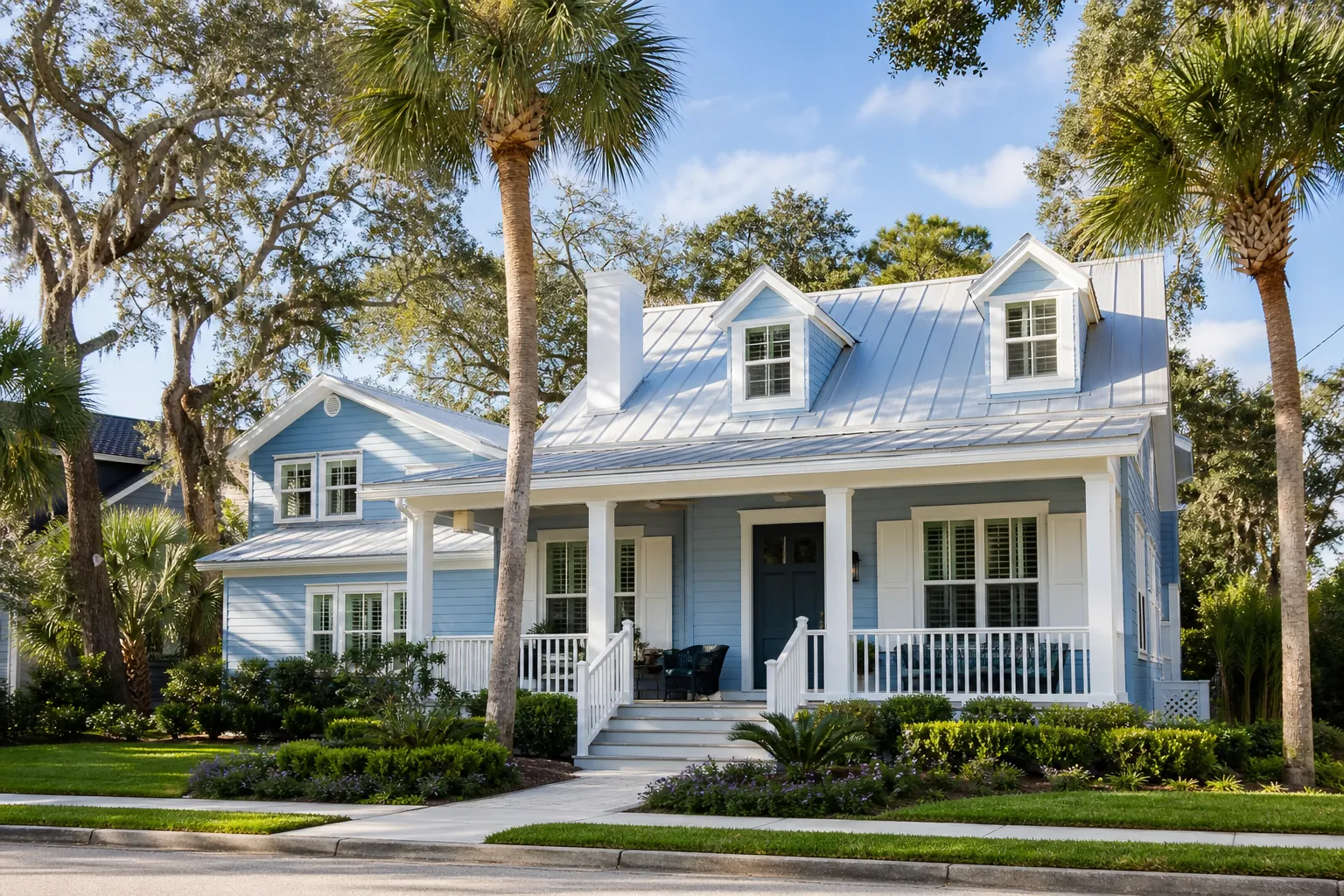
There is no single repaint date that fits every Florida house. A shaded stucco home with a careful previous paint job can stay in good shape longer than a wood-sided home that takes direct afternoon sun, wind-driven rain and salt air. The useful answer is this: start looking closely around year three, plan on a fuller reassessment around years five to seven, and let the condition of the surfaces decide the timing.
That approach keeps a repaint from becoming an emergency. When paint, caulk and trim are still mostly sound, the work is about protection and appearance. When bare material, moisture damage or failed joints are left too long, the job can expand into repairs. Good exterior care starts with an honest walk-around, not a number circled on a calendar.
The question is not whether every wall looks brand-new. It is whether the coating is still doing its job. A few small touch-ups are normal. A pattern of open joints, powdery paint and exposed edges is a signal to make a plan before the Florida wet season or another stretch of intense sun turns routine maintenance into a larger repair.
The Short Answer: Inspect Before the Paint Fails
For most Florida homes, exterior paint deserves a close inspection every year and a more serious look before the five-year mark. A quality paint system on a protected surface may stretch past that range. A south- or west-facing wall, unshaded trim, coastal exposure, darker colors and a previous shortcut in preparation can shorten it. The difference between two homes on the same street can be substantial.
Rather than waiting for dramatic peeling, look for the small changes that show the coating is losing its protective edge: color that looks chalky instead of rich, hairline cracks at trim joints, caulk that is pulling away, mildew that returns quickly after cleaning, or paint that feels thin at edges and ledges. The exterior painting service is designed around that practical question: what can be maintained now, and what needs to be repaired before a new finish goes on?
Why Florida Exteriors Need Their Own Schedule
Exterior paint in St. Augustine is doing more than adding color. It is the outer layer that helps shed water and protects trim, siding and other painted surfaces from a long list of ordinary Florida conditions. Strong ultraviolet light can fade and dry the film. Heat works on dark colors and exposed elevations. Humidity slows drying. Rain can find open joints, and salt air can add another layer of stress closer to the coast.
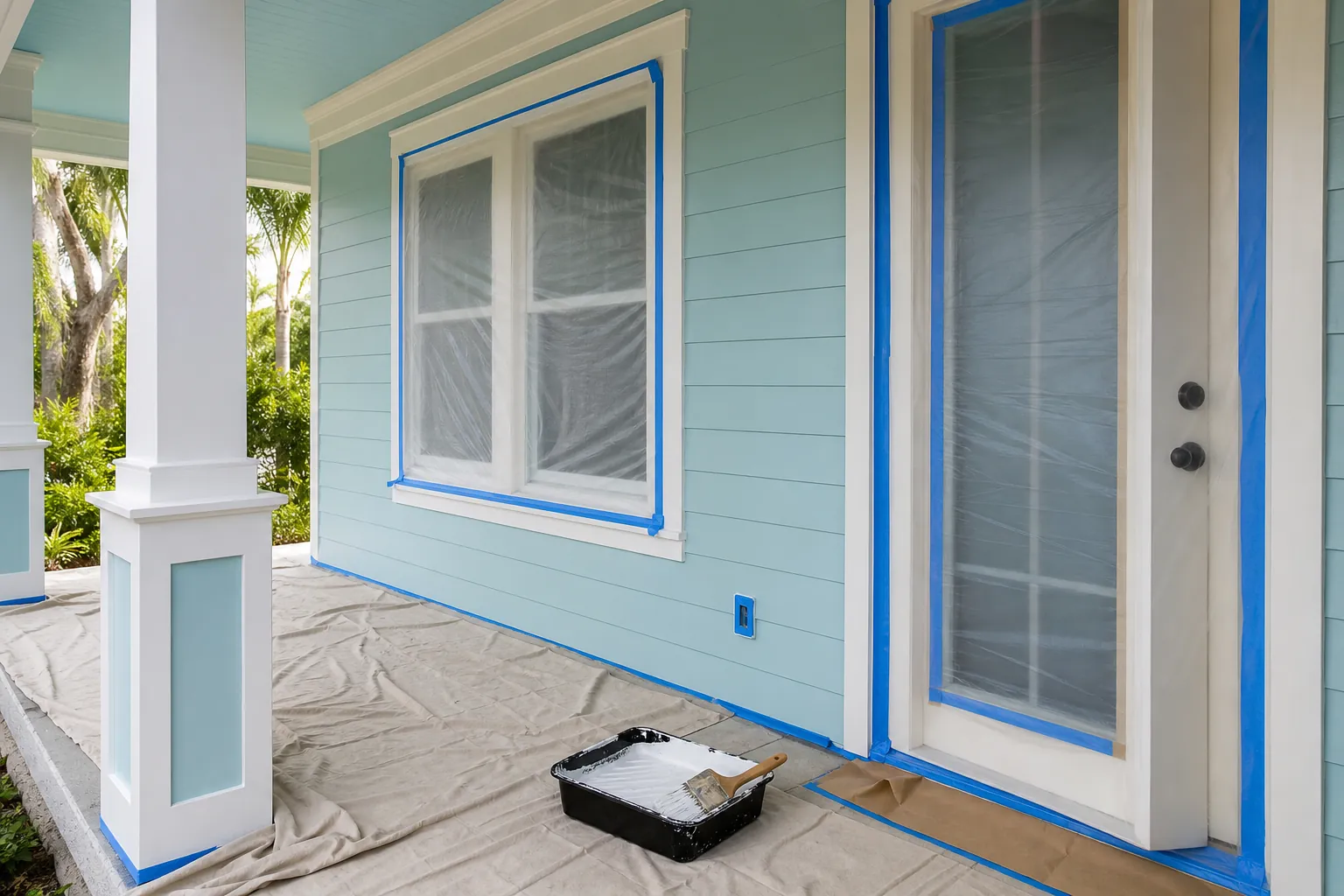
The prior paint job matters just as much as the weather. Good preparation gives the next coat a stable surface to hold. That means washing away surface grime, removing loose paint, addressing compromised areas, sealing joints that need caulk and allowing the surface to dry properly. A premium coating cannot compensate for paint that was applied over a dirty, damp or failing surface.
Weather timing matters, too. Paint manufacturers publish product-specific temperature and drying requirements, so a crew should work to the coating's instructions rather than a generic season. Sherwin-Williams notes in its exterior application guidance that the temperature needs to stay within the product's recommended range for the stated period. In Florida, that makes the forecast, shade pattern and surface temperature part of the plan.
Six Signs It Is Time to Plan a Repaint
1. Fading that makes one side of the house look different from the other. Fading does not always mean the paint has failed, but it is often the first visible clue that the sun-exposed side is aging faster. Compare protected areas under an eave with open walls. A noticeable shift in color or sheen is a reason to inspect more closely.
2. Chalking on the surface. Run a dark cloth or your hand lightly over the paint. A powdery residue can mean the outer layer is breaking down. Some light chalking can be managed with proper cleaning and preparation; heavy chalking needs attention before another coat can bond well.
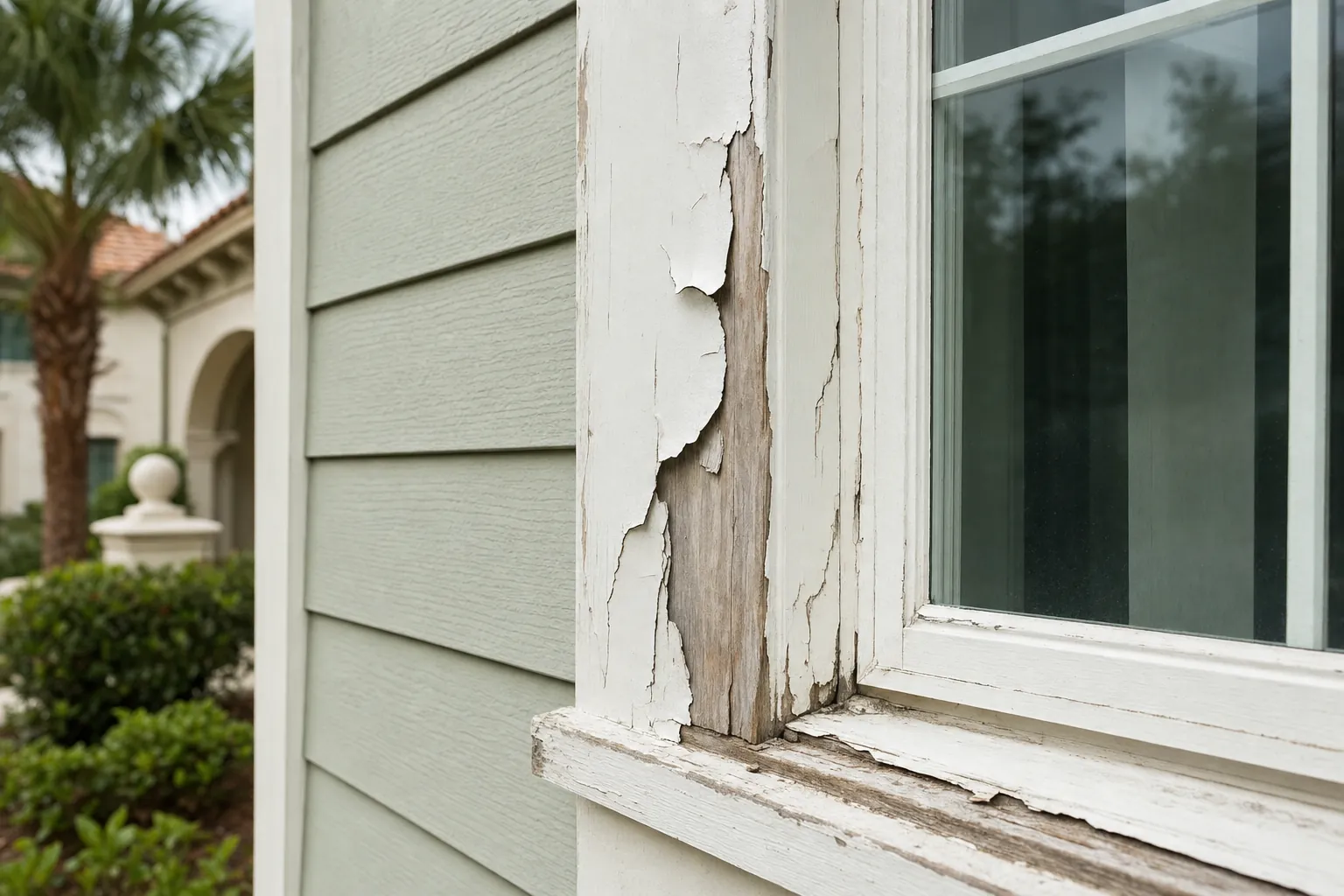
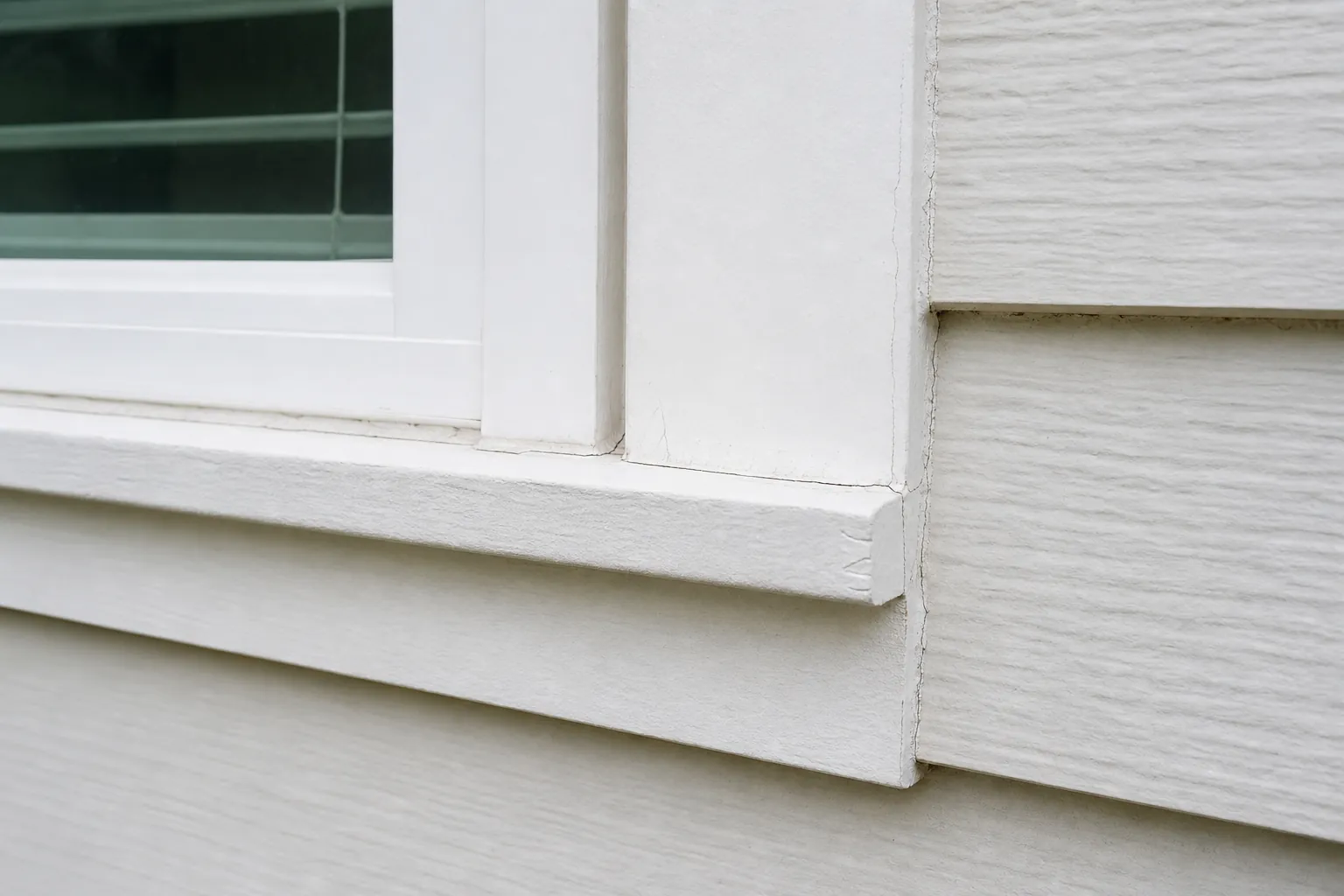
3. Cracks, peeling or bubbles. These are more than cosmetic. Cracks and peeling expose the material below, while bubbles can suggest trapped moisture or poor adhesion. The point is not to guess at the cause from the driveway. It is to identify the affected areas before they spread.
4. Caulk that has split or pulled away. Look around windows, doors, trim changes and penetrations. Caulk is not a permanent fix, and open joints can let water behind painted surfaces. Small gaps are usually easier to correct before the surrounding paint starts lifting.
5. Mildew or staining that returns quickly. Florida humidity makes cleaning part of normal exterior care. If discoloration keeps returning in the same areas, the answer may involve drainage, shade, surface cleaning or paint selection, not simply another coat on top.
6. Soft wood or damaged trim. Paint cannot repair a soft board, open seam or failing detail. Where the surface itself needs work, pair the repaint plan with the right repair work or finish carpentry before paint is applied. A clean finish looks better when the surface beneath it is actually sound.
Build the Repaint Plan Around Your House, Not a Generic Cycle
Start with the most exposed elevations. South- and west-facing walls usually take more direct heat and sunlight, while eaves, porches and sheltered sides may hold paint longer. Note the material as well: wood trim, fiber cement, stucco, masonry and metal each show wear differently. Take a few photos during your walk-around so you can compare the same spots next season rather than relying on memory.
Then separate maintenance from repainting. A house with sound paint but dirty surfaces may benefit from careful cleaning and small caulk repairs. A house with several failed areas, noticeable fading and exposed material is usually better served by a full, coordinated repaint. This is why a look through recent project work can be useful before deciding: it helps homeowners see the difference that surface preparation and finish details make in the final result.
Do not overlook older homes. If the house was built before 1978 and the project will disturb painted surfaces, take lead-safe work practices seriously. The EPA's Renovation, Repair and Painting program explains when certified firms and renovators are required. That is a safety question, not a paint-color decision, and it should be handled before sanding or scraping begins.
How to Help Exterior Paint Last Longer
Good maintenance does not eliminate Florida weather, but it can keep manageable issues from becoming a larger repaint. Keep gutters and roof runoff from repeatedly dumping water against painted trim. Trim plants back so walls can dry after rain. Clean away dirt and organic growth with methods suited to the material, rather than aggressive pressure that can force water into joints or damage the surface.
Pay attention to the places water and sun work hardest: window sills, door frames, fascia, porch railings, trim caps and the bottom edges of siding. A small caulk repair or touch-up in the right spot can protect the larger field of paint around it. The goal is not constant tinkering; it is to address the handful of details that keep the exterior sealed.
When you are weighing colors, remember that the home still has to live with the Florida sun. The best choice balances the look you want with the architecture, existing roof and hardscape, and the exposure of the elevation. The guide to planning a paint update is a useful companion when the project is about more than simply restoring the existing color.
A Five-Minute Exterior Walk You Can Repeat Each Year
Pick a dry day with enough light to see the details and walk the house in the same direction each year. Start at the front door, then check every window and door frame, each corner board, the underside of eaves, trim where the roofline changes and the base of the walls. Look at the same areas from an angle as well as straight on; changes in sheen, rippling or small cracks are often easier to spot when light crosses the surface.
Use your phone to take a broad photo of each elevation and a close photo of anything questionable. You do not need a formal maintenance report. A short photo record makes it much easier to tell whether a faded section is stable, whether a caulk gap is growing or whether a small repair has become a bigger pattern. It also gives a painter a clearer starting point when you are ready to discuss the work.
Keep the first check simple: paint condition, caulk condition, possible moisture paths and any damaged material. Do not probe soft wood aggressively or scrape older paint on your own just to see what is underneath. If there is an active leak, staining around a window or a spot that feels soft, address the water source and repair scope before deciding on colors. The finish is the last step, not the fix for everything beneath it.
What a Well-Planned Exterior Job Should Include
A good repaint conversation begins with the condition of the house. Before quoting a finish, the contractor should identify where preparation is needed, what needs repair, which surfaces are being painted and how the property will be protected during the work. The details vary, but the principle is simple: the finish should be built on a clean, dry, sound surface.
For Good Fellas, that means an owner-led approach that connects paint with the practical work around it. When a trim detail needs attention, a repair has to be made before painting, or a homeowner wants the exterior to coordinate with a larger update, the scope can be discussed as one plan. Browse the full service overview or request a quote when it is time to walk the exterior together.
Frequently Asked Questions
Is five years too soon to repaint a Florida house?
Not necessarily. Five years can be an appropriate time to reassess a sunny or weather-exposed exterior, especially when you see fading, failing caulk or exposed substrate. A house that still has sound paint and sealed joints may only need cleaning and small maintenance work.
Can I paint my house during Florida's summer?
It can be done when the product requirements and weather window line up, but the work needs careful planning around rain, surface temperature and humidity. The paint label matters: follow its temperature and drying guidance rather than treating any warm day as a paint day.
What should be repaired before exterior painting?
Loose paint, open caulk joints, damaged trim, small wood repairs and surface contamination should be addressed before coating. Painting over an active problem may make the house look better briefly, but it does not make the underlying surface sound.
What is the first thing I should check outside?
Walk the sunniest side of the home and look at trim, window edges, door frames and horizontal surfaces. Those spots commonly show fading, cracking and caulk gaps before sheltered areas do.