A Florida exterior paint budget is not set by a single number per square foot. The size of the house matters, but so do the surfaces, the amount of trim, the condition of the old coating, the access around the property and the repairs needed before a new finish can do its job. A useful quote explains that scope clearly, so you can compare real work instead of comparing two totals that may cover very different things.
For a straightforward, well-maintained home, the work may be mostly cleaning, masking, spot preparation and coating sound surfaces. For a home with failing caulk, exposed trim, peeling paint or hard-to-reach elevations, the preparation can be a much larger part of the job. That is normal. The cost is tied to the work needed to leave the exterior protected, not just the time spent holding a spray gun.
This guide is designed to help homeowners plan a realistic conversation. It does not replace a visit to the property, but it will show what to look for, what to ask and why the lowest number is not always the most useful one.
The Short Answer: The Scope Sets the Price
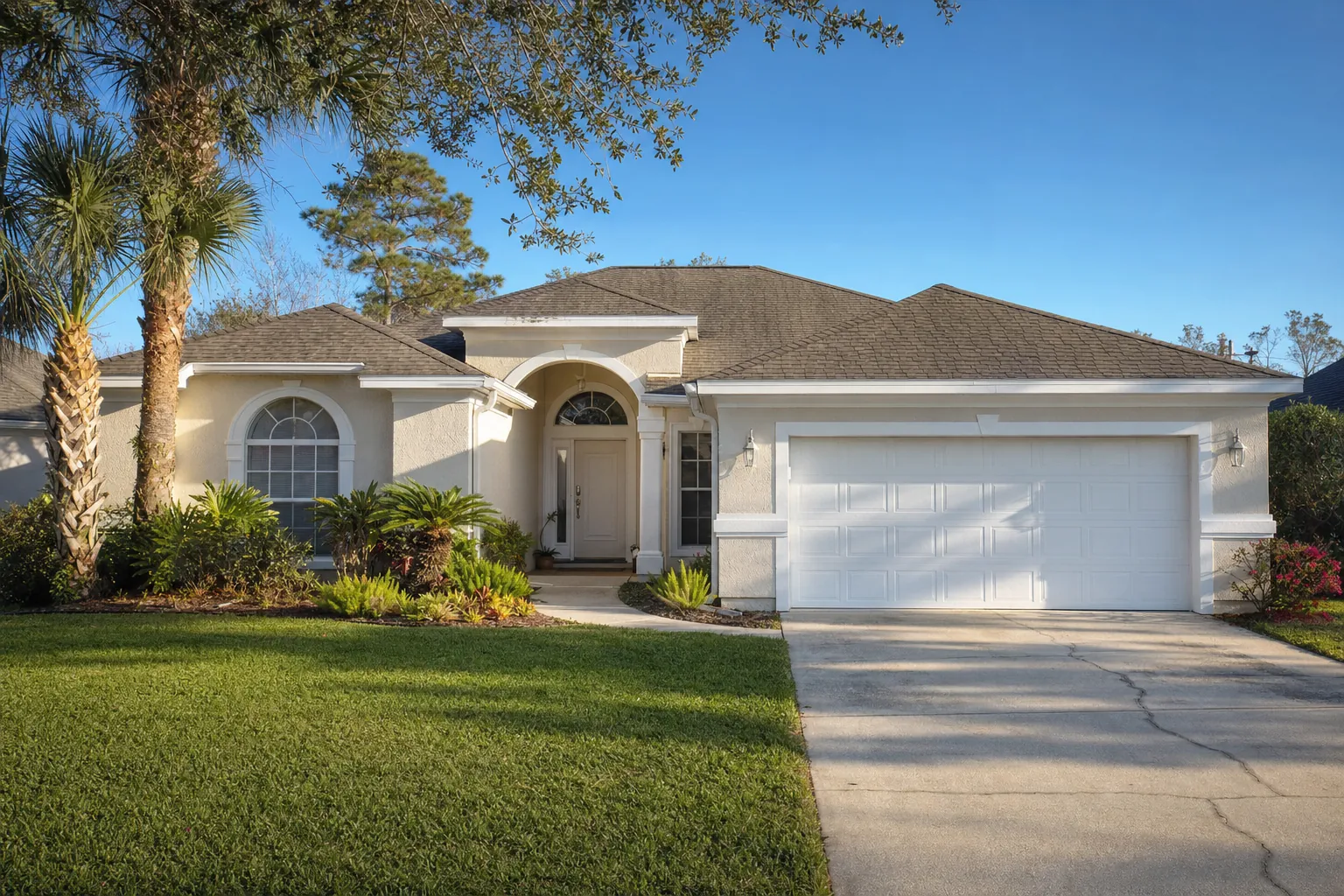
Exterior painting costs more when the house has more surface area, more detailed trim, more stories, more repair needs or more complicated access. It also changes with the paint system, the number of colors and whether the work includes items such as shutters, doors, railings, fencing, soffits or detached structures. A compact one-story stucco home with sound surfaces is a different project from a two-story house with weathered wood trim and multiple elevations that need staging.
A better way to start is to separate the job into four buckets: the surfaces to be painted, the preparation those surfaces need, the access required to reach them and the materials needed to finish them properly. When an estimate spells out those pieces, homeowners can see where the money is going and ask useful follow-up questions.
A Florida Planning Range, Not a Promise
It is reasonable to want a ballpark before scheduling an on-site visit. For a nearby Florida reference point, Angi's current Orlando exterior-painting cost data places typical projects at about $1.15 to $3.15 per square foot, with most reported projects between $1,677 and $3,292. That is useful only as a broad benchmark, not as a St. Augustine price list. It cannot see the house, the prep needs, the paint system or the access challenges that determine a real scope.
A more involved exterior can sit well above that planning range. Additional stories, substantial trim, coastal wear, color changes, wood repairs and detailed protection all add time and material. On the other hand, a smaller one-story home with sound surfaces and simple architecture may fall closer to the lower end. The practical takeaway is to set aside a flexible range, then make sure the estimate explains why your house lands where it does.
Beware of a number that sounds precise before anyone has discussed the condition of the exterior. A remote ballpark can be helpful for planning, but a final quote should be based on the visible surfaces and the work required to prepare them well.
1. The Home’s Size and Shape Come First
Square footage is a starting point, not the whole story. Exterior wall area, story height, rooflines, porches, garages and window count all affect how much surface needs attention and how long it takes to work carefully around it. A home with long, open walls may be more efficient to paint than a smaller home with many columns, shutters, railings, gables and tightly spaced landscaping.
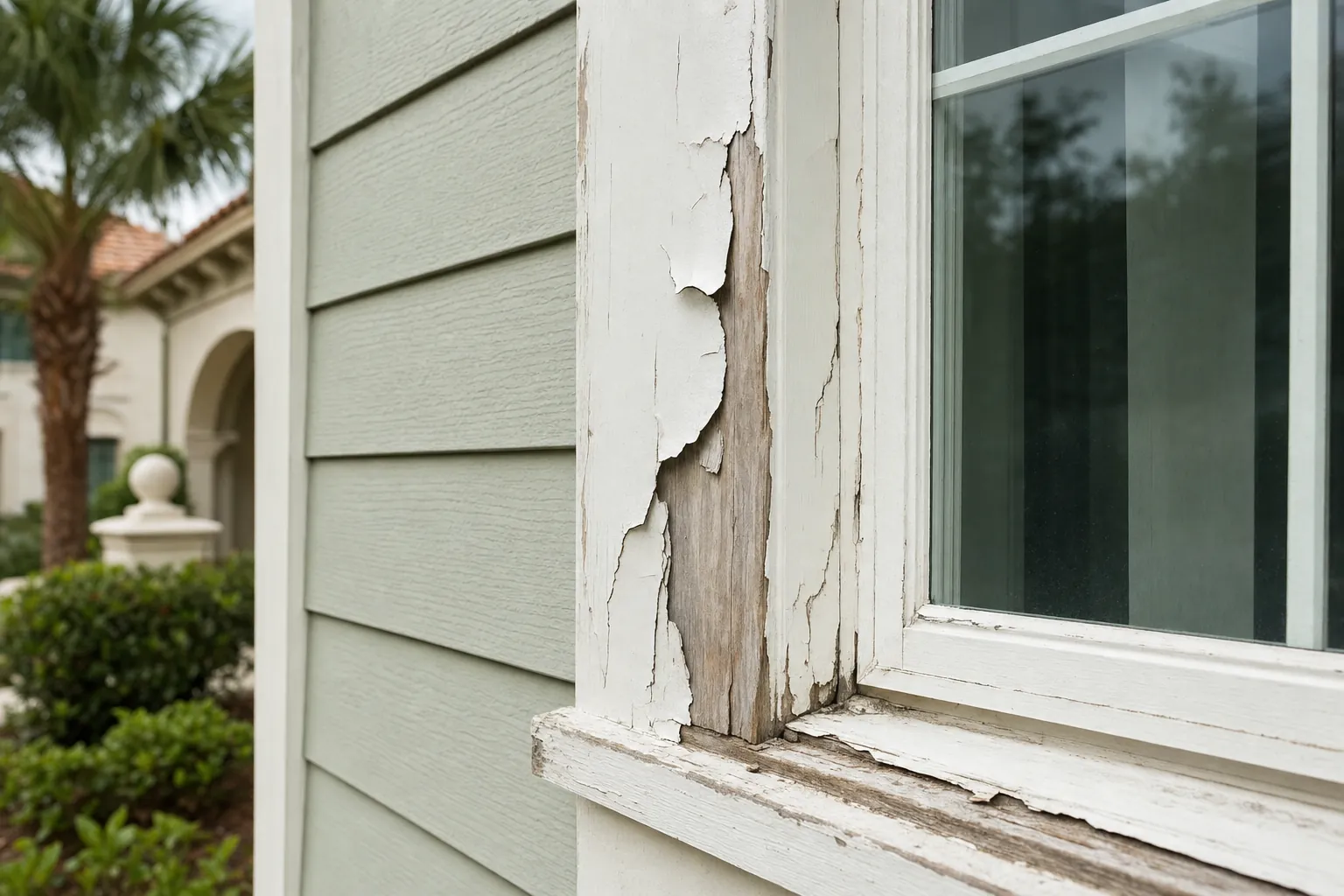
Material matters too. Stucco, fiber cement, wood trim, masonry, metal and previously painted siding do not all require the same preparation or coating approach. The existing paint condition is part of the assessment. If a coating is still sound, the work may concentrate on cleaning and creating a stable surface. If it is peeling, chalking or separating around joints, the prep needs to be more deliberate before a finish goes on.
For homeowners who are still deciding whether the timing is right, the guide to when to repaint a Florida house explains the warning signs that make a closer assessment worthwhile. That condition check is often the most useful first step before asking for a firm number.
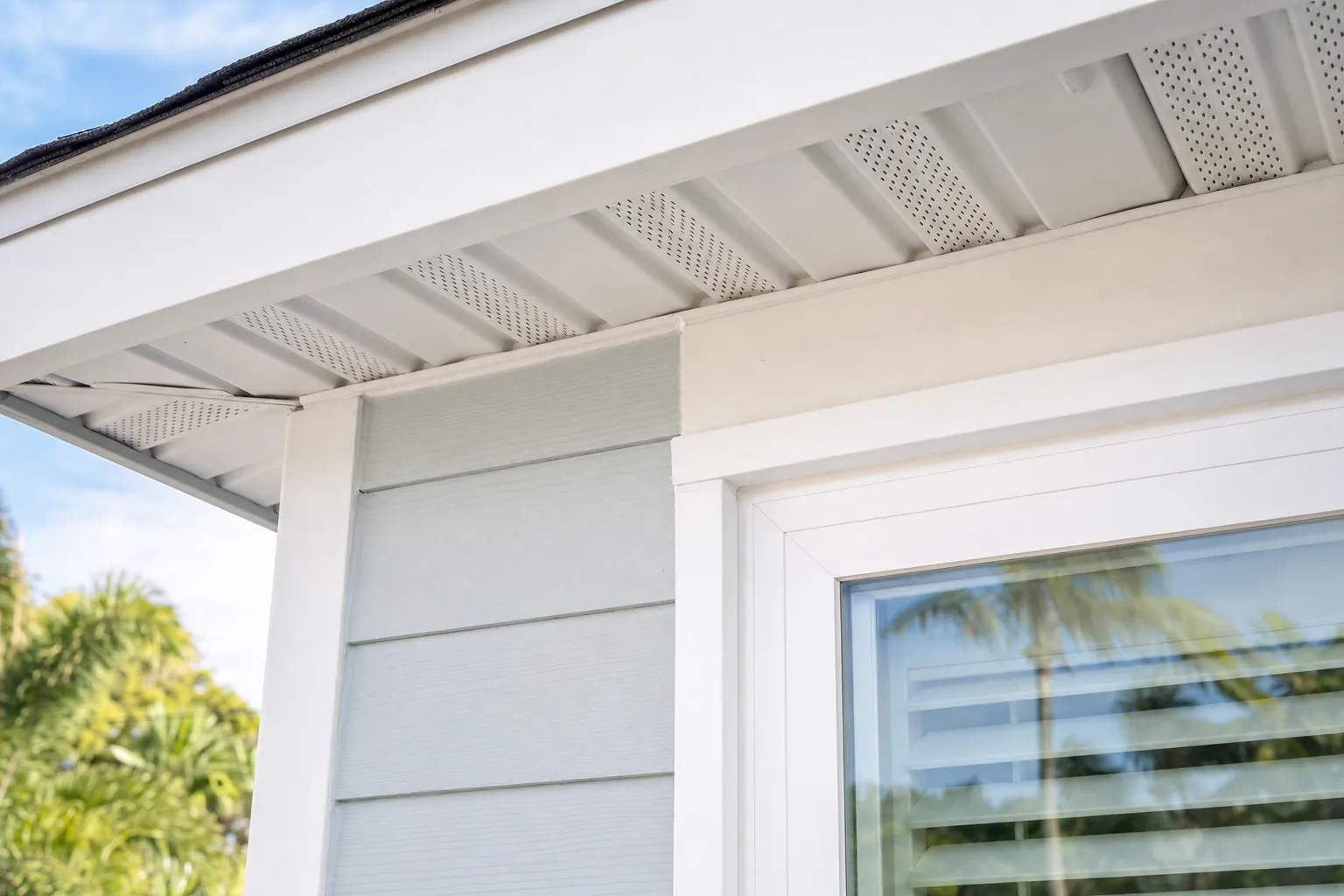
2. Preparation and Repair Can Change the Budget More Than Color
Preparation is where a careful exterior job earns its durability. Before paint is applied, loose material may need to be removed, weathered areas cleaned, joints recaulked, damaged sections repaired and vulnerable areas primed. Sherwin-Williams notes in its surface-preparation guidance that the method depends on the substrate, environment and expected life of the coating system, and that the surface needs to be dry and sound.
That is why a quote can change after a closer look. A small trim repair may be simple. Soft wood, open window joints, water staining or widespread paint failure may point to work that needs to happen before the painting stage. Covering those problems can make the house look better for a short time, but it does not create a stable finish.
Good Fellas can connect exterior painting with the practical work around it, including finish details and repairs that need attention before the coating work begins. Browse the trim and finish carpentry service or the repair-and-refresh project to see why the surface beneath the paint matters as much as the color on top.
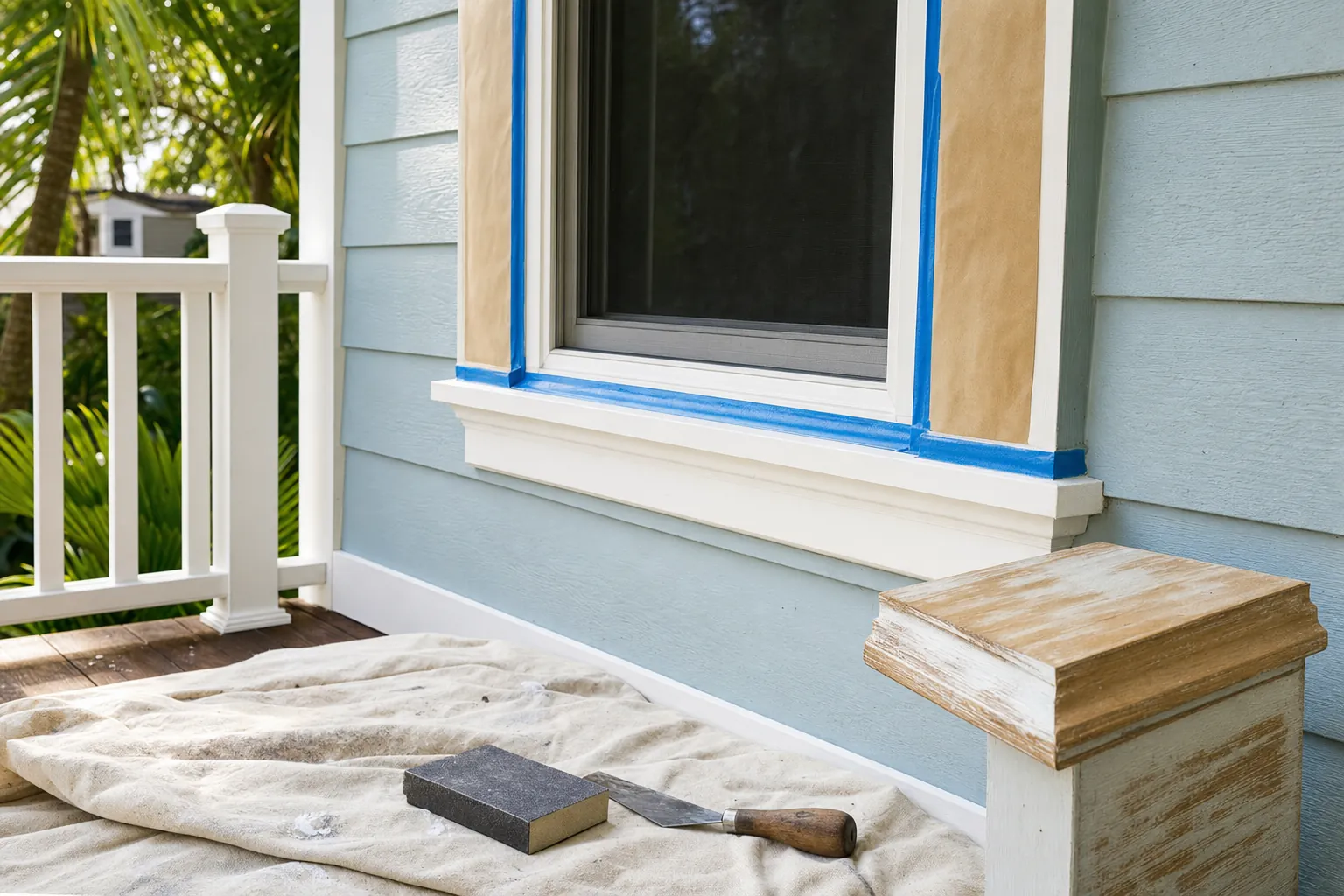
3. Access, Protection and Detail Work Affect Labor
The time needed to work safely around a house is a real part of the scope. Higher elevations, steep grades, narrow side yards, pool enclosures, heavy landscaping, screened porches and complex rooflines can all change how a crew reaches and protects the exterior. It is not only about ladders. Windows, decks, paths, outdoor furniture, plants and adjacent surfaces all need to be considered before work begins.
Detail work adds up as well. A house with one main body color and simple trim has a different rhythm from a home with contrasting soffits, decorative columns, shutters, several doors, railings and exposed fascia. Those elements can make a home look sharp, but each one adds edges to prepare, protect and coat carefully.
When you review an estimate, look for a clear description of which surfaces are included. If a feature is important to you, ask about it directly rather than assuming it is covered because it is visible from the street.
4. Paint and Material Choices Should Match the House
Materials are not just a line item. The right primer, caulk and topcoat depend on the surface condition and the exterior environment. The paint itself needs to be paired with a clean, dry, stable substrate. A better product does not cancel out failing preparation, but the right system can support a more durable result once the basics are handled correctly.
Paint quantity is another planning detail, not a shortcut to a quote. Sherwin-Williams says a gallon can cover roughly 250 to 400 square feet on an exterior, depending on the surface and project conditions, and its exterior painting guide recommends using a calculator based on the home’s size. Coverage changes with texture, porosity, color change, application method and the number of coats, so a material estimate needs to be connected to the actual home.
For a homeowner, the useful question is not simply “Which paint is cheapest?” It is “What system is being proposed for these surfaces, and what preparation supports it?” That keeps the material conversation connected to the result you want.
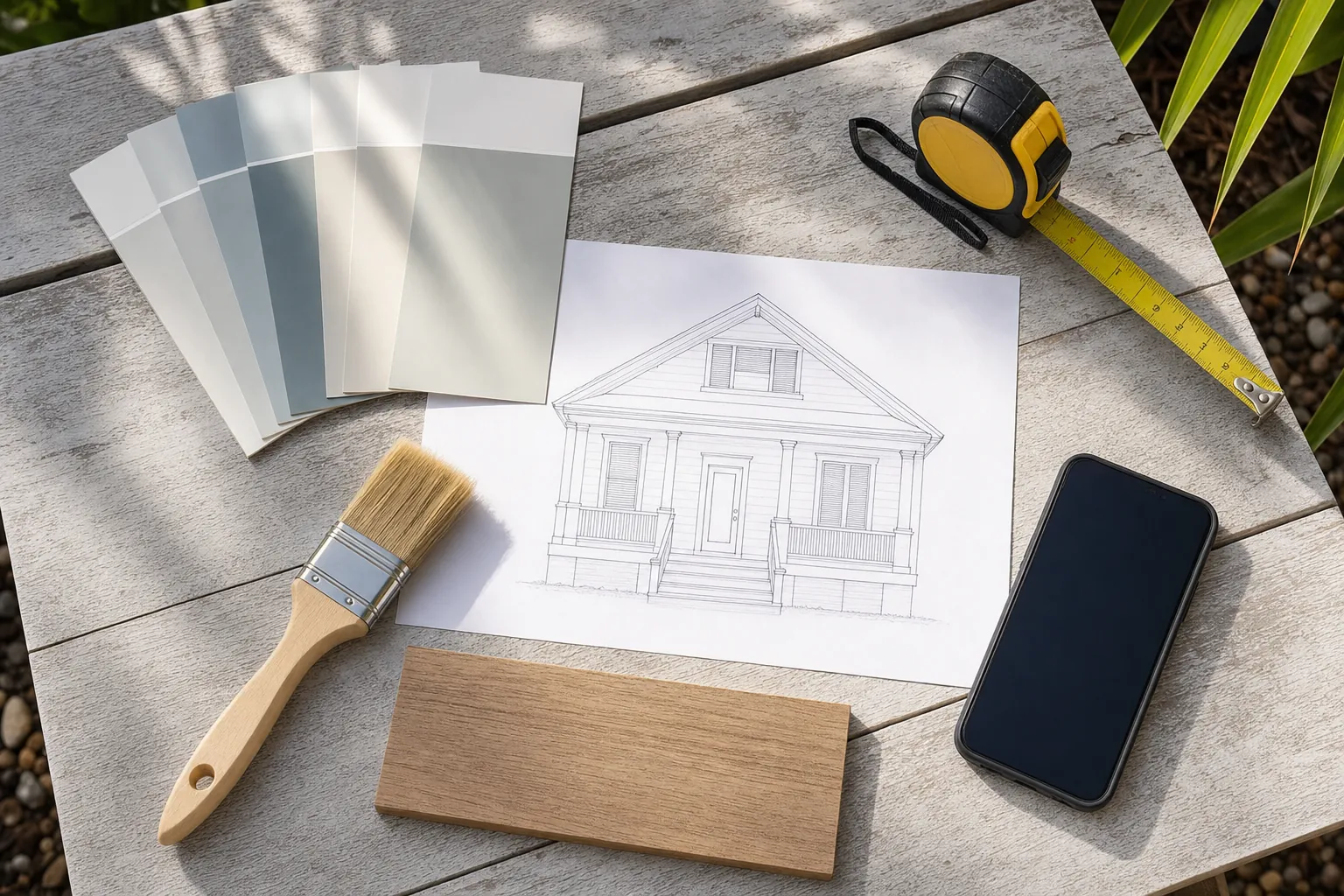
How to Compare Exterior Painting Estimates
Comparing a pair of totals without the details can be misleading. One estimate may include real surface repairs, primer where needed, two finish coats in specified areas, protection for landscaping and cleanup. Another may assume sound surfaces, leave repair work out or use a more limited paint scope. Neither approach is automatically wrong, but they are not the same job.
Ask each contractor to clarify the surfaces included, the preparation steps, the repair allowance or exclusions, the paint system, the number of colors, access needs and what happens if hidden damage is found. You should also understand whether the price includes detached features such as fences, decks, sheds, pool cages or outdoor railings. A good estimate should make it easier to decide, not make you guess what will be added later.
It is also fair to ask how changes will be handled. Exterior work sometimes reveals a loose board, a failed joint or a damaged area that was not visible from the ground. A clear contractor will explain the next step before adding work, rather than treating every surprise as an automatic extra. That conversation protects both the homeowner and the finish: the scope stays honest, and the repair can be handled before the new coating hides the evidence.
Project photos can help you evaluate the type of detail a contractor handles. The Good Fellas project gallery shows real painting, repair and finish work from the St. Augustine area, including coastal maintenance where surface condition and weather exposure are part of the conversation.
What to Prepare Before You Ask for a Quote
You do not need to measure every wall before reaching out. A few helpful details make the first conversation more productive: the property address, the home’s approximate age, the sides or features you want painted, any peeling or damaged areas, your preferred timing and photos of the exterior in good daylight. Include close photos of trim, joints, window areas and any locations where you suspect moisture or wood damage.
It also helps to say whether you are keeping the existing color or making a major change. A color change can affect coverage and planning, especially around trim and adjacent materials. If you have already picked colors, bring them to the conversation. If you have not, that is fine; the scope and surface condition should be clear before color decisions become the main event.
Before the visit, move small furniture and planters away from the walls when practical, and make a note of anything that needs special care. Flag recent leaks, areas where paint has failed more than once, alarm wiring, landscape lighting and gates that affect access. These details do not make the estimate harder; they reduce surprises and help the work start with a cleaner plan.
Get a Scope That Fits the House
The most useful exterior-paint estimate is one built around the house in front of you. Good Fellas takes an owner-led approach to that conversation: look at the condition, identify the preparation and repair needs, then plan the finish work as one coordinated scope. That is especially helpful when exterior painting connects to trim repairs, a rental turnover or other home-maintenance priorities.
See the exterior painting service for the broader approach, or request a quote when you are ready to walk through the property and the result you want.
Frequently Asked Questions
Why do two exterior paint quotes for similar homes differ?
The visible square footage is only one part of the job. Quotes can differ because of surface condition, the amount of prep and repair included, access to high or tight areas, paint system choices, trim detail and whether protections, cleanup and a final walk-through are included.
Does an exterior paint quote include pressure washing?
It should say exactly what cleaning and preparation are included. A contractor may use different cleaning methods depending on the surface and condition, so it is more useful to confirm the scope than to assume every quote includes the same type of washing.
Can I save money by skipping exterior repairs before painting?
Skipping a needed repair can make the initial number smaller, but paint does not correct soft wood, failed caulk, loose material or a moisture path. Addressing those items before coating helps avoid paying to cover a problem that will show back up.
What should I send before asking for an exterior painting estimate?
Send a few wide photos of each side of the house, close photos of any peeling, cracking or damaged trim, the property address, and any timing or color considerations. That gives the first conversation a useful starting point, although an in-person look may still be needed for a complete scope.